
You love the timeless, classic beauty of solid hardwood floors. You can picture the warm oak or rich hickory planks running through your home, adding character and value. But then reality sets in. You picture a spilled glass of water warping the boards, your dog’s claws leaving a trail of scratches, and the constant worry over high-maintenance cleaning routines. Is the beauty worth the stress?
This is the dilemma every modern homeowner faces. But what if you could get the look you love without the vulnerabilities? Enter the new generation of hybrid and waterproof hardwood, like the popular Bravewood collection. The marketing promises the best of both worlds, but what’s the real story?
This is not just another feature list. This is your strategic guide to understanding the lifetime value of your flooring investment. We will go beyond the showroom sales pitch to give you a framework for making a confident, regret-proof decision. We’ll put Bravewood waterproof hybrid head-to-head with traditional solid hardwood, debunk the marketing myths surrounding “waterproof” claims, and provide clear, lifestyle-based recommendations to help you find the perfect foundation for your home.
- The Main Event: Bravewood Waterproof Hybrid vs. Traditional Solid Hardwood
- Decoding Your Investment: Lifetime Cost vs. Upfront Price
- Myth vs. Fact: Debunking Waterproof Flooring Claims
- Which Floor is Right for Your Lifestyle? A Scenario-Based Guide
- A Closer Look: Bravewood Waterproof Hardwood Specifications
- Your Action Plan for Scratches and Water Damage
- The Final Verdict: Convenience or Legacy?
- References
The Main Event: Bravewood Waterproof Hybrid vs. Traditional Solid Hardwood
To answer the core question—which flooring is truly better?—we need a direct, honest comparison. While one excels in modern convenience, the other offers timeless, long-term value. Here’s how they stack up across the factors that matter most.
Comparison at a Glance: Bravewood Hybrid vs. Solid Hardwood
| Feature | Bravewood Waterproof Hybrid | Traditional Solid Hardwood |
|---|---|---|
| Durability | Extremely high; commercial-grade (AC5) wear layer resists scratches & dents. | Varies by species (Janka scale); susceptible to scratches and dents over time. |
| Water Resistance | Highly water-resistant core and surface. Planks can withstand spills and moisture. | Extremely vulnerable. Water causes warping, cupping, staining, and buckling. |
| Lifespan | Typically 10–30 years; limited by the wear layer. | Can last 50–100+ years with proper care. |
| Repairability | Cannot be sanded or refinished. Damaged planks must be replaced. | Can be sanded and refinished multiple times to look brand new. |
| Appearance | Highly realistic wood-look printed layer with consistent patterns. | Naturally unique grain, color, and texture in every single board. |
| Feel Underfoot | Can feel slightly harder or more artificial; sound can be hollow without underlayment. | Solid, warm, and substantial feel with a classic sound. |
| Typical Cost | Moderate upfront cost for materials and installation. | Higher upfront cost for materials and professional installation. |
| Lifetime Value | High short-term value due to low maintenance and durability. | High long-term value due to longevity and impact on home resale price. |
Durability & Scratch Resistance: A Real-World Test
For a busy household, durability is non-negotiable. This is where hybrid flooring like Bravewood makes its strongest case. It’s engineered for resilience, featuring a high-density fiberboard core topped with a protective wear layer. Bravewood boasts an AC5 Commercial rating, a specification indicating it can withstand over 12,000 rotations in abrasion testing, making it suitable for heavy commercial traffic[2]. This, combined with its UltraShield Protection, gives it exceptional resistance to scratches from pet claws, dragged furniture, and daily life.
Traditional solid hardwood, on the other hand, relies on the natural density of the wood species for its durability. This is measured by the Janka hardness scale, which rates how well a wood species resists denting and wear. Hickory and hard maple are very tough, while a softer wood like pine will dent easily. Regardless of the species, however, the finish on any solid hardwood floor will eventually show scratches. Its durability comes from its ability to be renewed, not its initial invincibility.
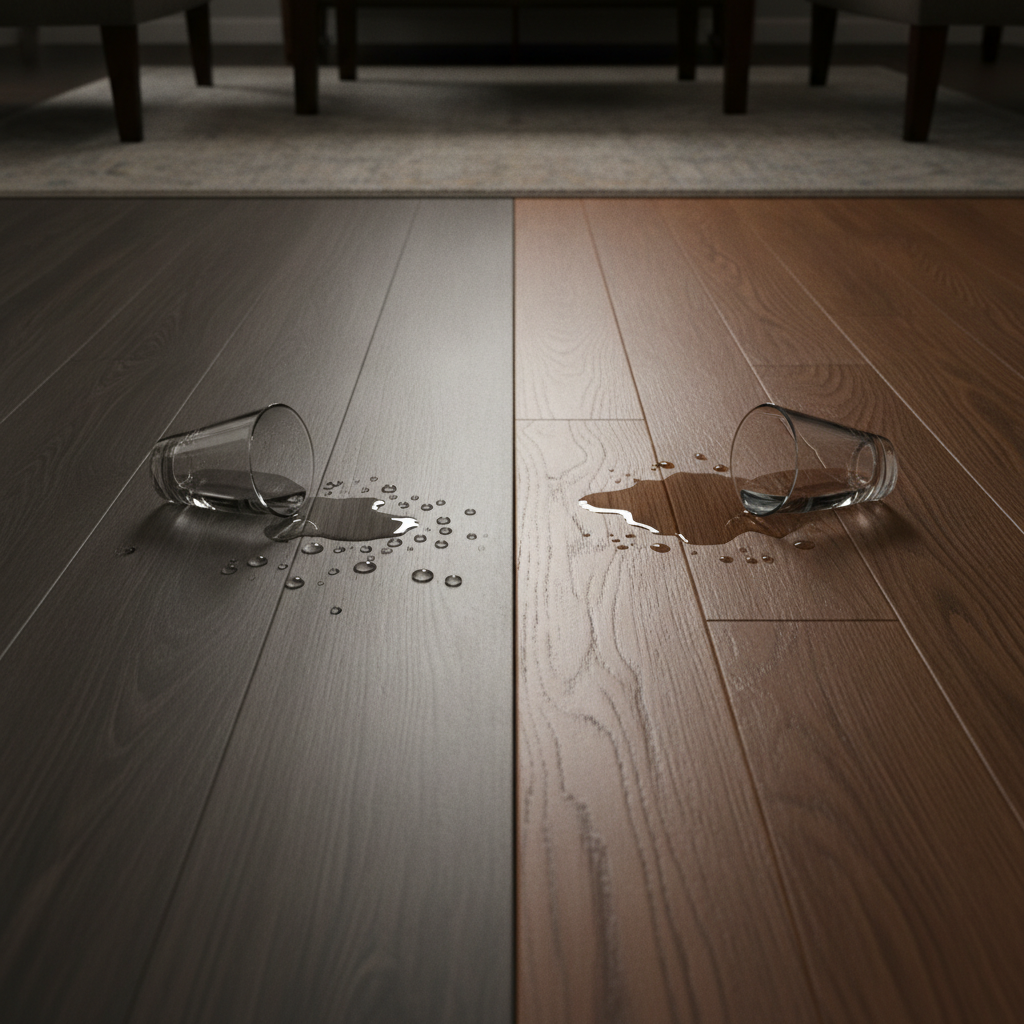
Water Resistance: Can You Really Have Waterproof Wood?
Here lies the single biggest difference between the two. Traditional hardwood is the enemy of water. Spills, leaks, or even high humidity can cause the wood fibers to swell, leading to permanent damage like cupping (edges rising), crowning (center bulging), and buckling.
Bravewood and other waterproof hybrids are designed to solve this problem. Their composite core is engineered to be dimensionally stable and resist swelling when exposed to moisture. Many of these products can be submerged in water for extended periods—some for over 24 hours—without showing damage. This makes them a fantastic choice for kitchens, entryways, and even basements.
However, it’s crucial to approach the term “waterproof” with a critical eye. As industry experts at BreezeWood Floors point out, the term is often more of a marketing strategy than a definitive feature[4]. While the planks themselves may be waterproof, a major leak or flood can still seep through the seams and damage the subfloor beneath, which is not waterproof.
Appearance & Authenticity: The Look and Feel
For the purist, nothing can replace the unique, natural beauty of solid hardwood. Each board has its own distinct grain pattern, knots, and color variations, creating a one-of-a-kind floor that ages gracefully. It feels solid and warm underfoot, and its sound is classic and substantial.
Solid hardwood isn’t just a surface; it’s a structural and textural element that brings organic warmth into a home. It has a depth and character that is very difficult to replicate.
— one interior designer
Bravewood hybrid flooring uses advanced printing technology to create a highly realistic wood visual on its surface. From a distance, high-quality hybrids can be nearly indistinguishable from the real thing. However, upon closer inspection, you may notice repeating patterns, and the texture can feel different. Furthermore, the sound underfoot can be slightly more hollow or “clicky” compared to solid wood, though a quality underlayment can mitigate this. The choice here is between the perfect consistency of a manufactured product and the perfect imperfections of a natural one.
Decoding Your Investment: Lifetime Cost vs. Upfront Price
A beautiful floor is an investment in your home, but the sticker price is only the beginning of the story. To make a smart financial decision, you need to analyze the true cost of ownership over decades, factoring in maintenance, repairs, and eventual replacement.
An expert real estate appraiser might put it this way: “Solid hardwood often carries a higher upfront cost, but it’s an investment that can pay dividends in resale value. Buyers perceive it as a premium, permanent feature. A high-quality hybrid is a fantastic selling point for its durability and modern appeal, but it’s generally viewed as a long-lasting, but ultimately replaceable, floor covering.”
The most critical question impacting long-term value is: Can waterproof hardwood be refinished like traditional hardwood? The answer is almost always no. The wood look is a thin printed layer, and sanding it would destroy the floor. This single fact is the key to understanding the lifetime cost difference.
The Power of Refinishing: A Future-Proof Asset
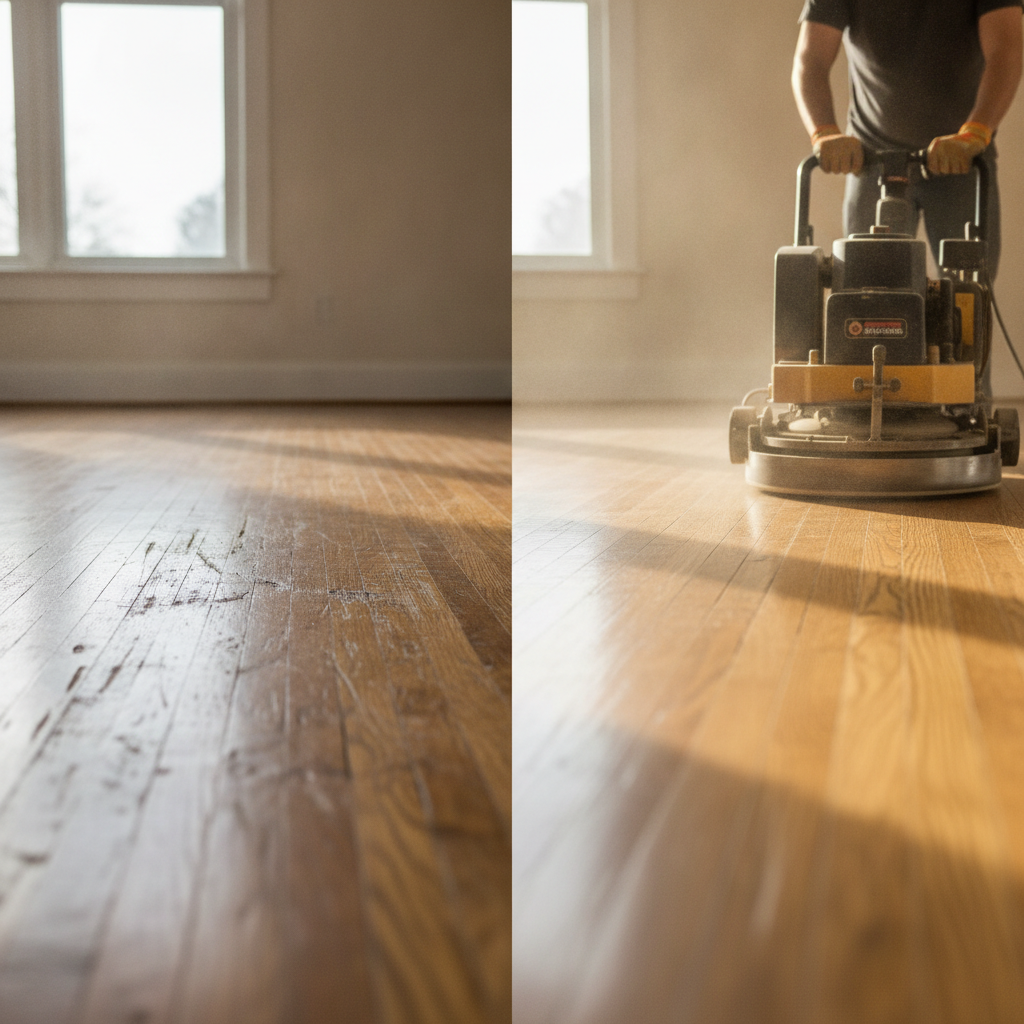
The greatest economic advantage of solid hardwood is its longevity, which is made possible by refinishing. Over its lifespan of 50 to 100+ years, a solid wood floor can be professionally sanded down and refinished multiple times. This process erases decades of scratches, dents, and wear, making the floor look brand new again. You can even change the stain color to match new decor. This makes it a truly future-proof asset.
Hybrid hardwood, with a typical lifespan of 10-30 years, cannot be renewed in this way. Once its protective wear layer is worn through or deeply scratched, the plank or the entire floor must be replaced. Some higher-end engineered hardwoods (a cousin of hybrid flooring) have a thicker real-wood veneer that may allow for one light refinishing, but experts at Unique Wood Floors advise that a veneer of at least 2mm is required for this to even be a possibility[1]. For most waterproof hybrid products, replacement is the only option.
Maintenance Demands: Time is Money
While solid hardwood wins on longevity, waterproof hybrid flooring is the undisputed champion of low-maintenance living. Its non-porous surface is easy to clean with a simple mop and pH-neutral cleaner, and you don’t have to worry about every little spill.
Solid hardwood requires more specific care. It needs specialized wood cleaners, protection from excessive moisture, and in some climates, humidity control to prevent the boards from gapping or swelling. While not overly burdensome, its maintenance routine is less forgiving than that of a hybrid floor.
Flooring Maintenance Scorecard
| Maintenance Factor | Bravewood Waterproof Hybrid | Traditional Solid Hardwood |
|---|---|---|
| Ease of Cleaning | 10/10 (Simple mopping) | 7/10 (Requires specific cleaners) |
| Stain Resistance | 9/10 (Excellent) | 6/10 (Can stain if spills aren’t cleaned quickly) |
| Scratch Resistance | 9/10 (Very high) | 5/10 (Will scratch over time) |
| Long-Term Care | None (Replace when worn) | Annual checks, refinish every 10-20 years |
As noted in reviews by trusted sources like Consumer Reports, flooring with superior durability and low maintenance requirements offers significant day-to-day value for busy homeowners[5].
Myth vs. Fact: Debunking Waterproof Flooring Claims
The flooring market is filled with powerful marketing terms that can be confusing. To build trust and help you make a truly informed choice, let’s separate the myths from the facts.
Myth: “Waterproof” Means Invincible to Floods
Fact: “Waterproof” refers to the flooring planks themselves, not the entire installed system. While the Bravewood planks won’t swell or warp from topical moisture, a major event like a burst pipe or a flooded basement is a different story. Water can—and will—get under the planks and saturate the subfloor. According to water damage restoration professionals, a saturated subfloor can lead to mold, rot, and structural issues, requiring the entire floor to be pulled up regardless of whether the planks themselves are damaged[6]. For basement installations, a proper vapor barrier is essential to protect against moisture wicking up from the concrete slab.
Myth: All Hybrid Floors Are Created Equal
Fact: The quality and performance of a hybrid floor are determined by its core. Bravewood, for example, uses a high-density fiberboard (HDF) core, which provides good stability and dent resistance[2]. Other products may use different materials like Stone Plastic Composite (SPC), which is known for being extremely rigid and stable, or Wood Plastic Composite (WPC). Understanding the core construction is key. As flooring experts from Unique Wood Floors explain, the quality of the core material directly impacts the floor’s stability, durability, and its ability to resist indentation over its lifetime[1].
Which Floor is Right for Your Lifestyle? A Scenario-Based Guide
The “best” floor doesn’t exist in a vacuum; it’s the one that best fits your life. Let’s find your perfect match.
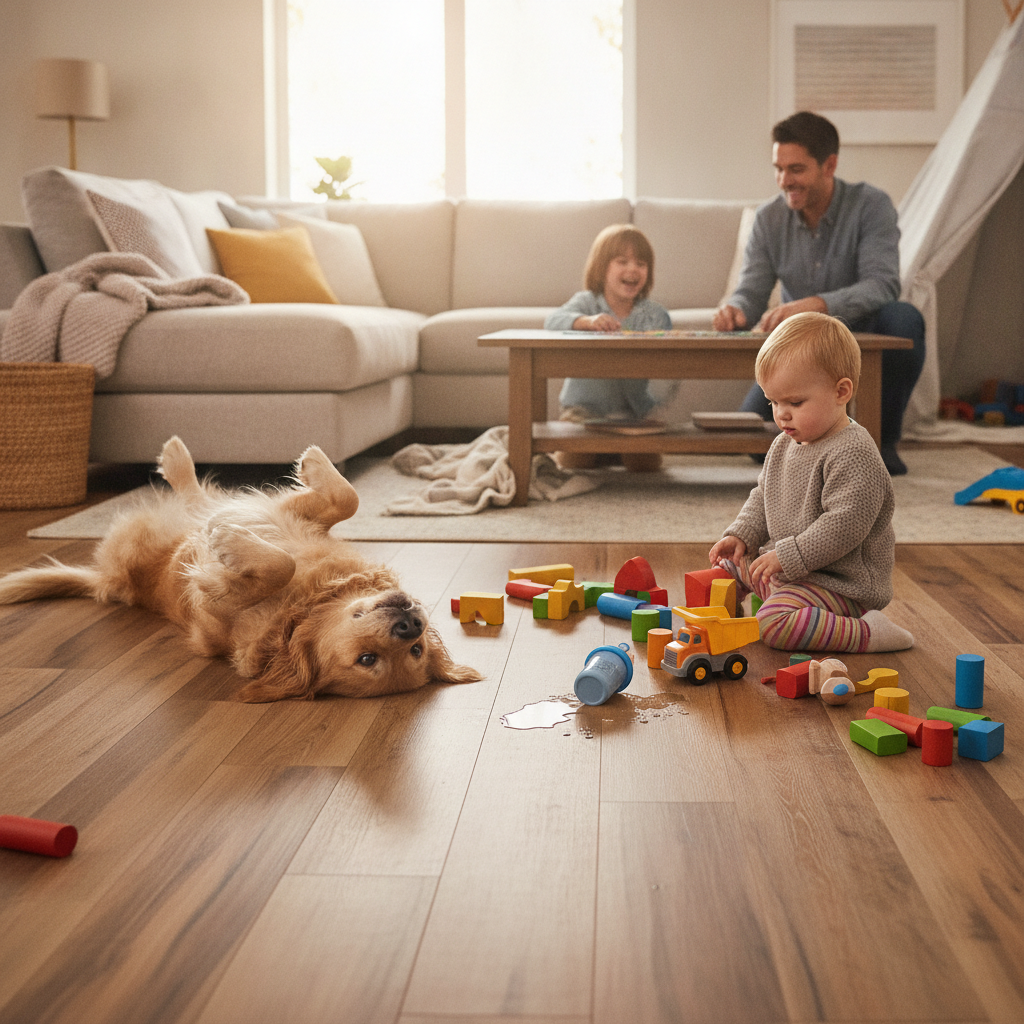
For Busy Families with Kids and Pets
Your Winner: Bravewood Waterproof Hybrid
In a high-traffic, high-mess environment, you need peace of mind. The extreme scratch resistance of Bravewood’s AC5-rated wear layer means you’ll worry less about kids’ toys and pets’ claws. Its waterproof nature makes cleaning up spills a non-event. For even greater assurance, look for floors with a matte or satin finish, as these are far better at hiding the minor scratches and scuffs that are inevitable in a busy home. For those who still want real wood, consider technologically advanced options like Bruce’s Dogwood™ Pro, a densified wood that is 4X more scratch-resistant and 6X more dent-resistant than standard hardwood[3].
For Moisture-Prone Areas: Kitchens, Bathrooms, and Basements
Your Winner: Bravewood Waterproof Hybrid (or LVP/Tile)
Traditional hardwood is a non-starter for these areas. Waterproof hybrid flooring is an excellent choice, providing the look of wood without the risk of water damage. As flooring retailers like Carpet One often recommend for use-case-specific situations, it’s also wise to compare it to other top waterproof contenders like Luxury Vinyl Plank (LVP) and wood-look porcelain tile, which offer similar or even superior water protection[7].
Before installing any flooring in a basement, be sure to have a conversation with your contractor. Here are 5 Things to Ask Your Contractor Before Installing Basement Flooring:
- Have you tested the concrete slab for moisture?
- What type of vapor barrier do you recommend for our situation?
- Is the subfloor perfectly level? What needs to be done to prepare it?
- How will you handle transitions to other flooring types?
- What does the flooring warranty say about basement installations?
For the ‘Forever Home’ Purist
Your Winner: Traditional Solid Hardwood
If you value timeless beauty, long-term investment, and the ability to adapt your home’s style over many decades, solid hardwood is unmatched. Its 50-100+ year lifespan means it’s a permanent feature of your home, not just a floor covering. While you must be mindful of its vulnerability to water, this risk is manageable with proper care. For the homeowner building their “forever home,” the authenticity, warmth, and refinishable nature of solid hardwood make it a legacy investment.
A Closer Look: Bravewood Waterproof Hardwood Specifications
For those leaning towards a modern solution, it’s important to know exactly what you’re getting. Here is a summary of the technical specifications for the Bravewood collection, which demonstrate its quality and safety credentials.
Bravewood at a Glance
- Durability Rating: AC5 Commercial (Suitable for heavy commercial traffic)[2]
- Core Material: High-Density Fiberboard (HDF)[2]
- Thickness: 12mm[2]
- Scratch Resistance: UltraShield Protection (Rated 40% better than standard laminates)[2]
- Health & Safety Certifications:
- Warranty: Lifetime Residential / 7-Year Light Commercial[2]
These specifications, particularly the AC5 rating and the dual health certifications, signal a high-quality, durable, and safe product for your home.
Your Action Plan for Scratches and Water Damage
No matter which floor you choose, accidents happen. Being prepared can save you time, money, and stress.
First 24 Hours: Emergency Response for Water Spills
If you have traditional hardwood, speed is everything. Mold can begin to colonize within just 24-48 hours of water exposure[6]. Follow these steps immediately:
- Stop the Source: Identify and stop the source of the water immediately.
- Remove Standing Water: Use towels, a mop, or a wet-vac to remove all surface water.
- Dry the Area: Aim fans directly at the wet floorboards. For larger spills, place a dehumidifier in the center of the room and close the doors.
- Assess the Damage: After 24 hours, check for signs of cupping or warping.
- Call a Pro: If you see signs of damage or the spill was significant, call a professional restoration service like Footprints Floors for an assessment[8].
A Tiered Guide to Fixing Scratched Wood Floors
For scratches on a solid hardwood floor, the fix depends on the depth.
- Tier 1: Minor Surface Scuffs (5-Minute Fix): For light scratches in the finish, a stain-filled marker or a product like the Tibet Almond Stick can often blend them away instantly. Always test in an inconspicuous area first.
- Tier 2: Deeper Scratches (30-Minute Fix): If the scratch has removed the color but not gouged the wood, use a wood stain marker that matches your floor. Clean the scratch, apply the marker, and wipe away the excess. For a hands-on look at this process, DIY blogs like Room for Tuesday offer excellent visual guides[9].
- Tier 3: Deep Gouges (Call a Pro): If the scratch is deep enough to be a gouge, you’ll likely need a professional. They can use wood filler and perfectly match the finish, or in some cases, replace the single damaged board.
What NOT to Do: Never use abrasive cleaners or steel wool on a scratch, as this will damage the surrounding finish and make the problem worse. Avoid using the wrong color filler or stain, which will draw more attention to the repair.
The Final Verdict: Convenience or Legacy?
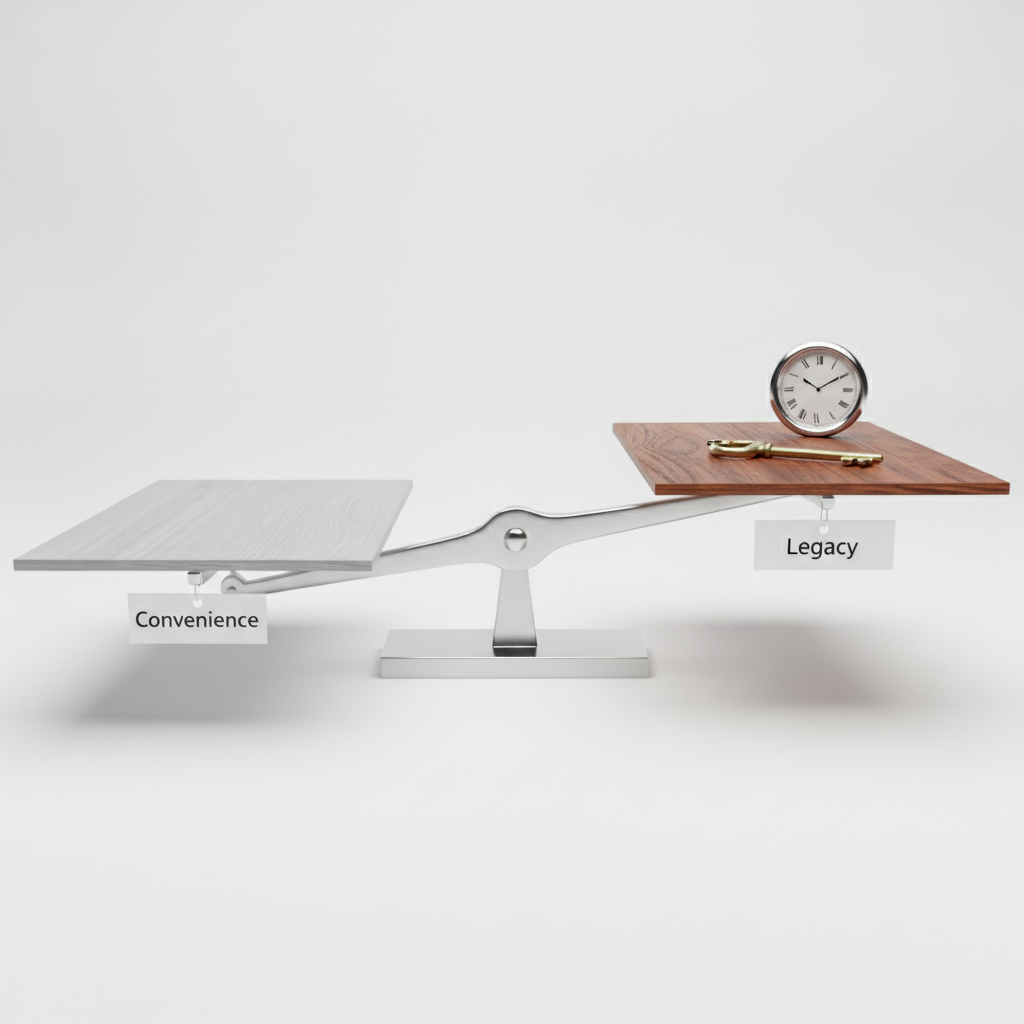
The choice between Bravewood waterproof hybrid and traditional solid hardwood is not about which is “better,” but about which is better for you. It’s a trade-off between modern convenience and timeless legacy.
Bravewood Hybrid offers worry-free, everyday performance. It’s the perfect choice for busy households, moisture-prone areas, and homeowners who prioritize extreme durability and low maintenance above all else. It’s a beautiful, practical, and high-performing surface for modern life.
Traditional Hardwood offers a lifetime of authentic beauty and a solid return on investment. It’s the choice for the purist, the long-term investor, and the homeowner who sees their floor as a permanent, character-defining feature of their “forever home.”
You now have the framework to look past the marketing and evaluate your options based on lifetime value, durability, and your own unique lifestyle. You are equipped to make a confident, strategic, and regret-proof decision for your home’s foundation.
Ready to find the perfect foundation for your home? Explore our full range of hybrid and solid hardwood flooring options or schedule a free consultation with one of our flooring experts today.
Product specifications, warranties, and pricing are subject to change. Always consult with a professional flooring installer for advice specific to your home’s conditions. This article may contain affiliate links.
References
- Unique Wood Floors. (n.d.). The Basics About Hybrid Engineered Wood Floors. Unique Wood Floors Blog. Retrieved from https://uniquewoodfloor.com/blog/the-basics-about-hybrid-engineered-wood-floors
- TAS Flooring. (n.d.). Bravewood Collection Product Page. Retrieved from https://tascontract.com/product/bravewood-collection
- Bruce Flooring. (n.d.). The Best Hardwood Floors for Dogs. Bruce.com Resources. Retrieved from https://www.bruce.com/en-us/resources/the-best-hardwood-floors-for-dogs-bruce-flooring.html
- BreezeWood Floors. (n.d.). A Closer Look at “Waterproof” Hardwood Flooring: Innovative Product or Clever Marketing? Retrieved from https://breezewoodfloors.ca/a-closer-look-at-waterproof-hardwood-flooring-innovative-product-or-clever-marketing
- Consumer Reports. (n.d.). Best Flooring for a High-Traffic Area. ConsumerReports.org. Retrieved from https://www.consumerreports.org/home-garden/flooring/best-flooring-for-high-traffic-area-a2992906171
- Certified Water & Fire Restoration. (n.d.). Repairing Water Damaged Hardwood Floors. Retrieved from https://certifiedwaterandfire.com/repairing-water-damaged-hardwood-floors
- Carpet One Floor & Home. (n.d.). The Best Waterproof Flooring Options. CarpetOne.com Flooring Guide. Retrieved from https://www.carpetone.com/flooring-guide/shopping/the-best-waterproof-flooring-options
- Footprints Floors. (n.d.). Hardwood Water Damage Restoration. FootprintsFloors.com Blog. Retrieved from https://footprintsfloors.com/blog/education/hardwood/water-damage-restoration
- Room for Tuesday. (n.d.). How to Remove Scratches from Hardwood Floors. Retrieved from https://roomfortuesday.com/remove-scratches-from-hardwood-floors