
The dream is timeless: the warmth, character, and authentic beauty of hardwood floors stretching through your home. But the reality can be a constant source of anxiety. Every dropped glass, pet accident, or muddy footprint feels like a threat to your significant investment. For years, homeowners have been caught in a frustrating dilemma—sacrifice the authentic style of wood for the durability of a synthetic alternative, or live with the constant fear of scratches, water damage, and warping.
This is the “indestructible floor myth,” the idea that you must choose between beauty and practicality. But what if you didn’t have to? Modern flooring technology has evolved, creating a new category that bridges this gap. Enter hybrid hardwood flooring, and specifically Bravewood, a product engineered to deliver the genuine wood style you love with the waterproof strength your real life demands. This is not a guide filled with marketing hype. This is a comprehensive, data-driven look at how hybrid hardwood works, how it stacks up against traditional options, and how to decide if it’s the perfect, realistic solution for your home.
- What Exactly Is Hybrid Hardwood Flooring?
- The Ultimate Showdown: Bravewood Hybrid vs. Traditional Hardwood
- Is Hybrid Hardwood the Right Choice? A Practical Guide for Homeowners
- How Hybrid Hardwood Compares to Other Wood-Look Alternatives
- Conclusion: The Right Floor for Your Real Life
- References & Authoritative Sources
What Exactly Is Hybrid Hardwood Flooring?
Hybrid hardwood flooring represents a significant leap forward in flooring engineering. It is a multi-layered product designed to capture the best of both worlds: the unmistakable aesthetic of genuine hardwood on the surface and a technologically advanced, waterproof core at its center. Unlike traditional solid hardwood, which is a single piece of wood, or engineered hardwood, which typically uses a wood-based core, hybrid hardwood leverages a composite core that is completely impervious to water.
This construction directly addresses the primary weaknesses of traditional wood floors—their vulnerability to moisture, humidity, and spills. According to flooring installation professionals, this innovation is a game-changer for placing wood-look floors in areas they were never before practical, such as kitchens, bathrooms, and basements. The result is a floor that looks and feels like real wood but performs with the resilience of a luxury vinyl plank.
The Anatomy of a Bravewood Plank: A Layer-by-Layer Breakdown
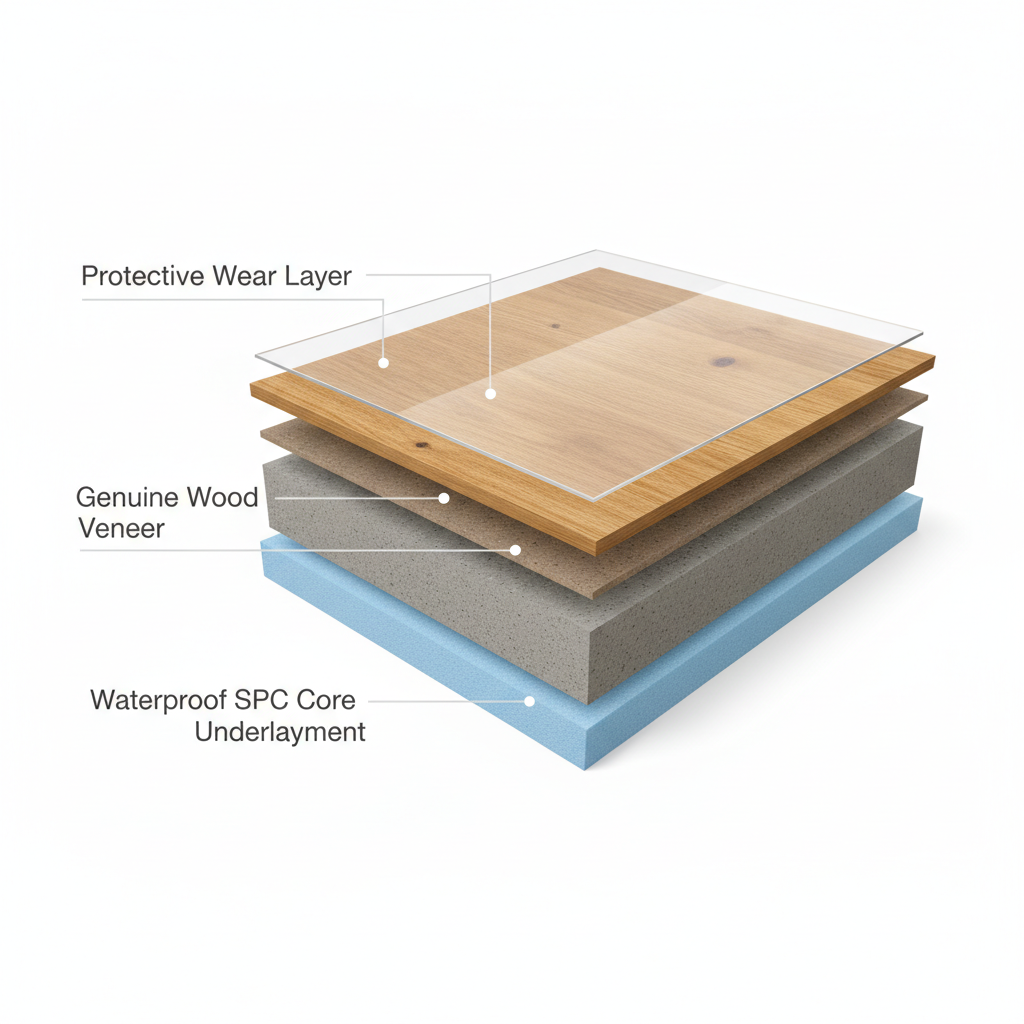
To truly understand the performance of Bravewood, you need to look inside the plank. Each piece is a precisely engineered sandwich of materials, with every layer serving a critical function.
- Protective Wear Layer: The topmost layer is a high-performance, factory-applied finish. This transparent coating is infused with materials like aluminum oxide to provide robust resistance against scratches, scuffs, stains, and fading from UV light. It’s the floor’s first line of defense against daily wear and tear from foot traffic, furniture, and pets.
- Genuine Wood Veneer: Directly beneath the wear layer lies the star of the show: a slice of authentic hardwood. This is not a printed or embossed pattern; it is real wood, showcasing the natural grain, knots, and character that make each species unique. According to manufacturer specifications, this veneer provides the genuine look and feel that synthetic alternatives struggle to replicate.[1]
- Waterproof SPC Core: This is the heart of Bravewood’s durability. The core is made from a Stone Polymer Composite (SPC), a dense and rigid blend of natural limestone powder, polyvinyl chloride, and stabilizers. This material is 100% waterproof, meaning it will not swell, warp, or buckle when exposed to moisture from above or below. Its rigidity also helps to resist dents from dropped objects and provides a solid feel underfoot.
- Attached Underlayment: Many Bravewood planks come with a pre-attached underlayment or pad. This layer provides acoustic insulation to reduce noise, adds cushioning for comfort, and can help to smooth over minor subfloor imperfections, simplifying the installation process.
The ‘Waterproof’ Promise: How It Actually Works
When a flooring product is labeled “waterproof,” it’s crucial to understand what that means. For Bravewood hybrid hardwood, the promise is rooted in its SPC core. Unlike wood or wood-composite cores that absorb water and change shape, the stone-polymer material is inert to moisture. This means that if a spill is left standing or a leak occurs, the planks themselves will not be damaged.
It’s important to distinguish this from “water-resistant.” Water-resistant floors can repel water for a limited time, but prolonged exposure can still lead to damage. A truly waterproof floor like Bravewood offers protection for the life of the product. This level of performance is often verified through rigorous testing protocols, such as those developed by ASTM International, which set industry standards for water resistance in flooring.[2]
A leading kitchen designer notes, “For years, my clients wanted wood in their kitchens but I had to advise against it. With waterproof SPC-core products like this, I can confidently recommend them. It provides the warmth and cohesive look they want without the practical risk in a room prone to spills and splashes.”
The Ultimate Showdown: Bravewood Hybrid vs. Traditional Hardwood
Choosing a floor is a major decision. To help you make an informed choice, here is a direct, head-to-head comparison between Bravewood hybrid hardwood and traditional solid hardwood across the factors that matter most.
| Feature | Bravewood Hybrid Hardwood | Traditional Solid Hardwood |
|---|---|---|
| Water Resistance | 100% Waterproof Core | Highly vulnerable to water damage |
| Durability | High (Engineered wear layer) | Varies by species (Janka Scale) |
| Installation | DIY-friendly (Click-lock system) | Professional installation required |
| Ideal Locations | Any room, including kitchens & basements | Above-grade rooms with stable humidity |
| Refinishing | No | Yes, multiple times |
| Upfront Cost | Moderate to High | High |
| Maintenance | Low (Simple cleaning) | Moderate (Requires careful cleaning) |
Durability & Scratch Resistance
Traditional hardwood’s durability is measured by the Janka Hardness Scale, which rates a wood species’ resistance to denting. While a high Janka rating is good, any wood can be scratched. The polyurethane finish applied to solid wood, whether in the factory or on-site, is what primarily protects it from light scratches.
Bravewood takes a different approach. Its durability comes from the robust, multi-layered wear layer on top of the wood veneer. This engineered coating is designed to withstand the daily assault of pet claws, dragged furniture, and high foot traffic more effectively than many standard wood finishes.
As one professional floor refinisher states, “The most common repairs I do on solid hardwood are from pet scratches and deep gouges that penetrate the finish and the wood itself. The tough topcoats on some of these new hybrids are definitely a response to that problem.”
Water & Moisture Resistance
This is the most significant point of difference. Traditional solid hardwood is a natural, porous material. When exposed to water or high humidity, its fibers absorb moisture and expand, leading to common forms of damage like:
- Cupping: The edges of the plank are higher than its center.
- Crowning: The center of the plank is higher than its edges.
- Buckling: The floor lifts away from the subfloor entirely.
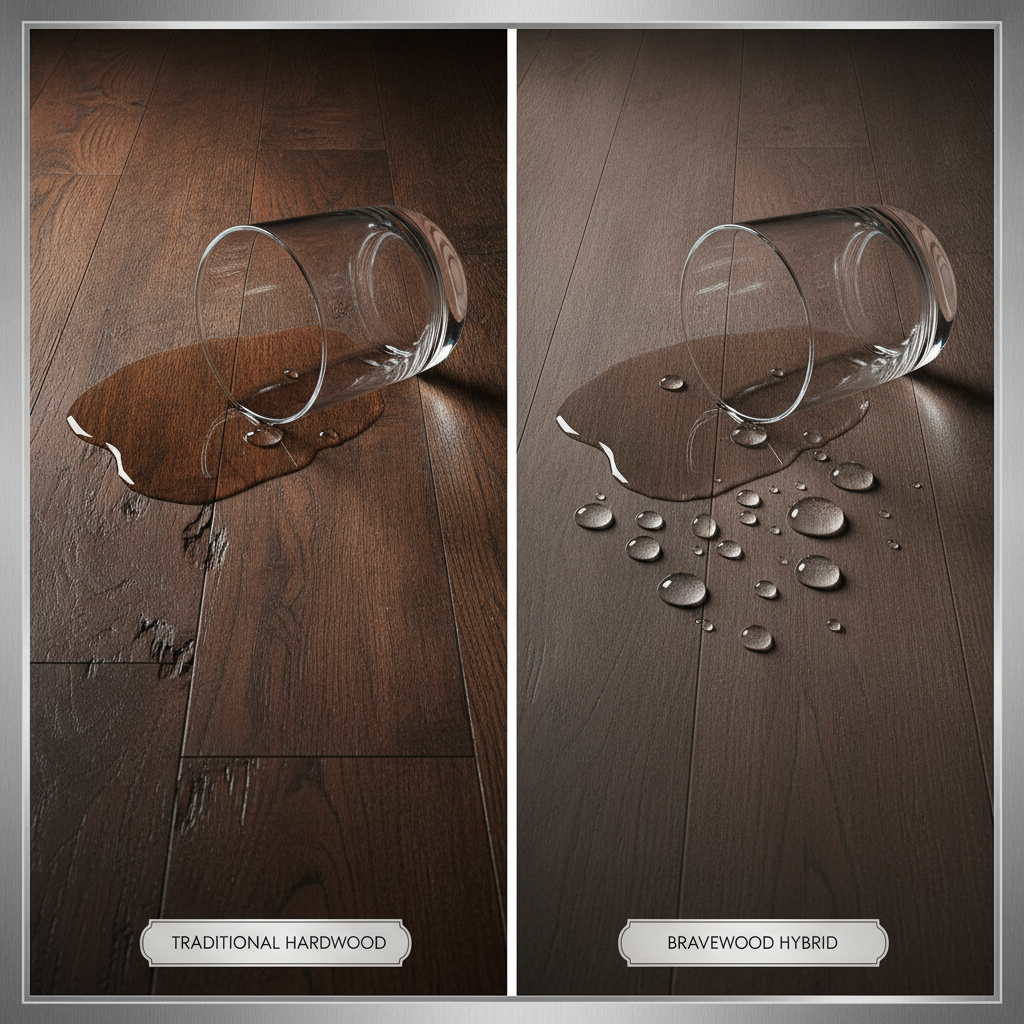
To prevent this, industry standards from the National Wood Flooring Association (NWFA) detail strict requirements for subfloor moisture content and lengthy acclimation periods before installation.[3] Bravewood’s waterproof SPC core completely eliminates these concerns. It does not need to acclimate to humidity and will not warp, cup, or crown due to topical spills or subfloor moisture, making it a far more versatile and worry-free option.
Cost, Installation & Long-Term Value
While upfront material costs can be comparable, the total cost of ownership often differs significantly. Traditional hardwood requires professional installation with specialized tools like nailers, which adds considerable labor costs. Bravewood, with its click-lock floating floor system, is designed to be DIY-friendly, potentially saving thousands in installation expenses.
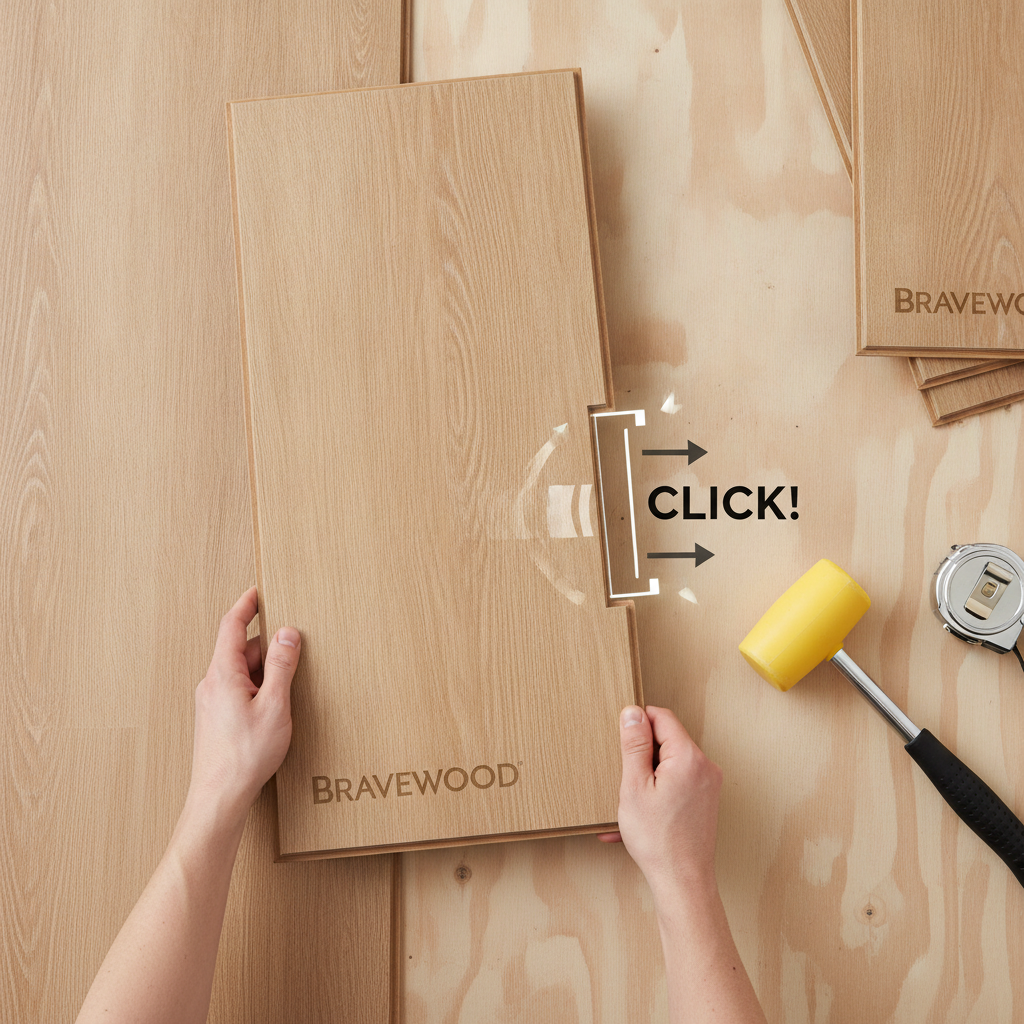
Long-term value also presents a trade-off. Solid hardwood’s ability to be sanded and refinished multiple times gives it a potential lifespan of a century or more. Bravewood cannot be refinished, but its initial durability means it may never need to be. According to flooring retailers, the choice often comes down to a homeowner’s priorities: the potential for generational longevity with high maintenance versus decades of worry-free performance with an eventual replacement.
Aesthetics & Refinishing Potential
Both options offer the authentic beauty of real wood because both use it. Solid hardwood is wood through and through. Bravewood features a real wood veneer, preserving the unique grain and texture that makes wood so desirable. High-resolution photos can show how closely Bravewood mimics the look of its traditional counterpart.
The critical difference is refinishing. Because solid hardwood is thick, it can be sanded down to bare wood to remove deep scratches and damage, then stained and sealed anew. This can be done several times over its life. Bravewood’s wood veneer is too thin to be sanded. According to manufacturer guidelines, it cannot be refinished.[1]
An interior designer might suggest, “For clients who love to change their interior style every decade, the refinishing potential of solid wood is a plus. For those who want to choose a timeless look and have it last, the durability of a hybrid is often more appealing.”
Is Hybrid Hardwood the Right Choice? A Practical Guide for Homeowners
With its clear advantages in durability and water resistance, is Bravewood hybrid hardwood the perfect floor? The answer depends entirely on your lifestyle, priorities, and home. It offers a modern solution to a classic problem, but it’s essential to weigh the pros and cons.
Homeowner Testimonial (Busy Family): “With two kids and a golden retriever, our old engineered hardwood was a wreck. We switched to a Bravewood hybrid in our main living area and kitchen. The peace of mind is incredible. Spills, muddy paws… we just wipe it up. It’s been a year and it still looks brand new.”
Homeowner Testimonial (Condo Owner): “I wanted oak floors in my condo but was worried about potential leaks from neighbors. The waterproof core of the hybrid was the deciding factor. The installation was also faster and less messy than I expected.”
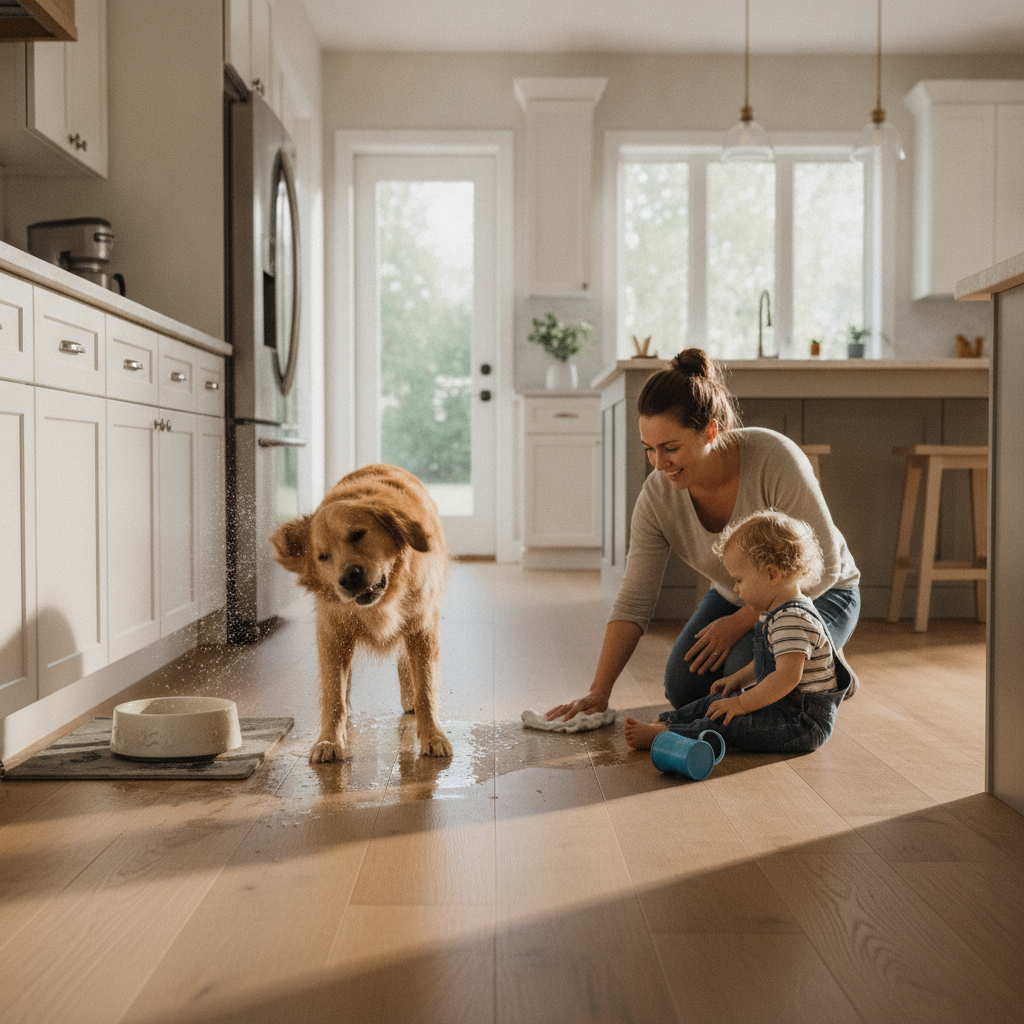
Choose Bravewood If…
- You have pets and kids and need maximum durability. The combination of a scratch-resistant wear layer and a waterproof core makes it an ideal choice for the unpredictable nature of a busy household.
- You’re renovating a kitchen, bathroom, or basement. These high-moisture areas are where Bravewood truly shines, allowing you to carry a consistent wood look into spaces where traditional hardwood is not recommended. As kitchen designers often attest, this creates a seamless, high-end aesthetic.
- You want the authentic look of wood without the maintenance anxiety. If you love the style of wood but don’t want to worry about every little spill or humidity swing, hybrid hardwood offers the perfect compromise.
- You’re a confident DIYer looking for a weekend project. The click-lock installation system is designed for homeowners to install themselves, offering significant savings on labor costs.
Furthermore, for pet owners, it’s not just about scratches. Organizations like the American Kennel Club (AKC) often advise on home safety, and flooring is a key component.[4] The textured surfaces of many hybrid hardwood styles can offer better traction for dogs than smooth, high-gloss traditional floors, which can be beneficial for their joint health.
Consider Other Options If…
- You are a traditionalist who values the ability to refinish your floors multiple times. If the idea of sanding and re-staining your floors in 20 years to get a brand-new look is important to you, solid hardwood remains the unmatched champion of longevity.
- You are on a very tight budget. While Bravewood offers excellent value, high-quality laminate or luxury vinyl plank (LVP) flooring can sometimes offer a wood look at a lower price point, though often sacrificing the real wood veneer.
- You want an exotic wood species not available in a hybrid format. The selection of wood species for hybrid veneers may be more limited than the vast array available in solid hardwood.
A real estate agent might add, “Both high-quality hybrid and traditional hardwood are seen as premium flooring that adds value to a home. The key is matching the floor’s capabilities to the room. A waterproof wood-look floor in a finished basement is a huge selling point.”
How Hybrid Hardwood Compares to Other Wood-Look Alternatives
To complete the picture, it’s helpful to see where Bravewood hybrid hardwood fits in the broader market of wood-look flooring, especially against its two main competitors: Luxury Vinyl Plank (LVP) and Laminate.
| Feature | Bravewood Hybrid Hardwood | Luxury Vinyl Plank (LVP) | Laminate Flooring |
|---|---|---|---|
| Surface Material | Real Wood Veneer | Printed Vinyl Image | Printed Paper Image |
| Authenticity | Highest (Real wood grain) | High (Embossed texture) | Moderate to High |
| Core Material | Waterproof SPC | Waterproof SPC/WPC | HDF (Fiberboard) |
| Water Resistance | 100% Waterproof | 100% Waterproof | Water-Resistant (Varies) |
| Durability Standard | Wear Layer | Wear Layer (mils) | AC Rating (AC1-AC6) |
| Feel Underfoot | Solid, like wood | Softer, more resilient | Hard, can be noisy |
Bravewood’s key advantage is its authentic wood surface. While modern LVP and laminate have incredibly realistic printed visuals, they are still photographic reproductions. Bravewood offers the genuine, unique grain of real wood. Both Bravewood and LVP typically use a waterproof SPC core, giving them superior performance in wet areas compared to most laminate floors, which use a high-density fiberboard (HDF) core that can be damaged by excessive moisture. When evaluating these products, it’s important to look at industry standards from bodies like the Resilient Floor Covering Institute (RFCI) for vinyl[5] and the North American Laminate Flooring Association (NALFA) for laminate[6] to understand their durability and performance claims.
Conclusion: The Right Floor for Your Real Life
The search for the perfect floor is over, not because an “indestructible” one exists, but because a smarter one does. Bravewood hybrid hardwood effectively ends the compromise between the timeless beauty of real wood and the practical demands of modern life. It combines a genuine wood veneer with a rugged, waterproof core to create a surface that is both stunningly authentic and reassuringly durable.
It isn’t about finding a floor that can withstand anything; it’s about choosing the right floor that can handle the reality of your life—the spills, the pets, the kids, and the chaos. By understanding the technology behind hybrid hardwood, you can move past the myths and make a confident, empowered decision that brings both beauty and peace of mind to your home for years to come.
Ready to see the difference for yourself? Explore the Bravewood collection to find your perfect style, or order a sample to feel the authentic wood and test its durability firsthand.
Disclaimer: This article provides general guidance for flooring selection and maintenance. For significant water damage, structural issues, or complex installations, always consult a certified and insured flooring professional.
References & Authoritative Sources
- Bravewood Flooring. (N.D.). Product Technical Specifications.
- ASTM International. (N.D.). Standard Test Methods for Flooring. Retrieved from astm.org.
- National Wood Flooring Association (NWFA). (N.D.). Installation Guidelines and Specifications. Retrieved from nwfa.org.
- American Kennel Club (AKC). (N.D.). Expert Advice on Home Safety for Pets. Retrieved from akc.org.
- Resilient Floor Covering Institute (RFCI). (N.D.). Standards for Resilient Flooring.
- North American Laminate Flooring Association (NALFA). (N.D.). Laminate Flooring Standards & Certification.
