
If you have ever experienced the sinking feeling of a wobbly dining chair, a sagging bookshelf, or a drawer that refuses to close smoothly just months after purchase, you are intimately familiar with “fast furniture fatigue.” We live in an era where interior design trends move at breakneck speed, and mass-market retailers have responded by flooding showrooms with pieces that look beautiful under studio lighting but structurally degrade the moment they enter your home. The core problem is that most consumers lack the technical woodworking knowledge to distinguish true structural integrity from superficial showroom aesthetics.
This guide is designed to change that. We will expose the hidden, toxic cycle of the fast furniture industry and empower you with the material science, structural physics, and insider craftsmanship secrets necessary to confidently invest in custom, generational pieces. By understanding the anatomy of true quality, you will discover why Bravewood craftsmanship represents the ultimate antidote to disposable decor, offering functional art that is meticulously engineered to last a lifetime.
- The Hidden True Cost of the Throwaway Culture: Why Fast Furniture Fails
- The Anatomy of Structural Integrity: Diagnosing Flimsy Wood Furniture Issues
- Material Science: Selecting High Quality Durable Wood Products
- The Integrity of Craft: Why Choose Bravewood Custom Furniture?
- Commissioning Your Heirloom: A Guide to Custom Furniture Builders
- Conclusion: Investing in the Expected, Delivered by Bravewood
- References & Authoritative Sources
The Hidden True Cost of the Throwaway Culture: Why Fast Furniture Fails
The appeal of poorly made fast furniture is almost exclusively tied to its initial price tag. However, this upfront “savings” masks a devastating triad of financial, environmental, and health impacts. When we shift our perspective from the checkout cart to the long-term lifecycle of a piece, the throwaway culture reveals itself as a deeply expensive trap.
Financially, the burden of replacing cheap furniture frequently adds up at an alarming rate. According to consumer spending data from Statista, the average household spends over $2,500 annually on furniture and furnishings [1]. Much of this expenditure is cyclical, driven by the inevitable breakdown of low-quality materials. Environmentally, the consequences are staggering. Data from sustainability authorities like Brightmark highlights that fast furniture contributes to millions of tons of discarded, non-biodegradable furniture filling our landfills each year [2].
Beyond your wallet and the planet, there is a hidden cost to your indoor air quality. Cheap particleboard and synthetic fabrics are notoriously laden with volatile organic compounds (VOCs). Organizations like Vermont Woods Studios, which advocate for sustainable, non-toxic furniture manufacturing, frequently highlight the severe health risks associated with the formaldehyde adhesives and chemical flame retardants heavily utilized in mass-produced furniture [3].

The 10-Year ‘True Cost’ Financial Framework
To truly understand the financial drain of replacing cheap furniture frequently, we must look at a 10-year “True Cost” mathematical breakdown. Imagine purchasing a trendy, mass-produced sofa for $400. Within two years, the high-density foam compresses, the frame warps, and the fabric pills, forcing a replacement. Over a decade, you might buy five of these sofas, spending $2,000 in total—not including the time, delivery fees, and frustration involved.
Conversely, investing $1,500 once in a structurally sound, heirloom-quality sofa yields a significantly lower “cost-per-year” over that same decade, while providing vastly superior comfort and aesthetic value. To navigate this transition, professional interior design experts, such as those at Arrow Furniture, often recommend the strategy of staggering furniture purchases [4]. Rather than outfitting an entire room at once with cheap items, budget for and acquire one piece of exceptional quality at a time, gradually building a curated collection of lasting value.
The Anatomy of Structural Integrity: Diagnosing Flimsy Wood Furniture Issues
To avoid buyer’s remorse, you must learn to look past the veneer and understand the physics of furniture making. Integrity in furniture building is not just a buzzword; it is a strict adherence to structural mechanics.
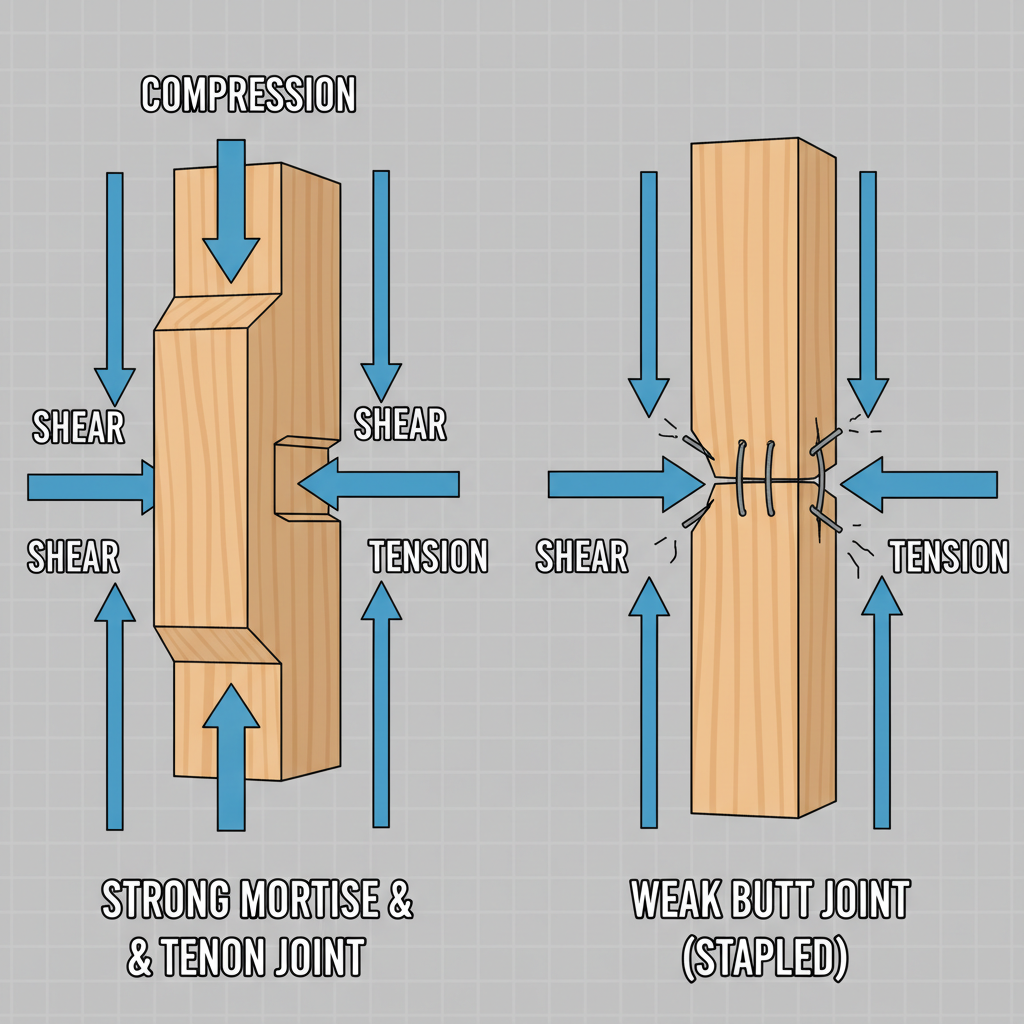
When you sit on a chair or place heavy books on a shelf, the piece is subjected to invisible forces. As detailed by structural woodworking authorities like CratesGalore, furniture failure is typically the result of three primary forces: compression (pushing together), shear (sliding forces acting in opposite directions), and tension or racking (twisting forces that cause wobbling) [5]. Flimsy wood furniture issues arise because cheap manufacturing methods—like using staples or simple butt joints—cannot withstand these forces over time. Furthermore, poor finishing leaves cheap wood vulnerable to environmental factors like fluctuating humidity and UV rays, which cause the wood to expand, contract, and ultimately crack, further compromising its structural integrity.
The Diagnostic ‘Wobble Test’ and Visual Inspection Checklist
You do not need to be a master carpenter to spot flimsy wood furniture issues on a showroom floor. By performing a diagnostic “Wobble Test” and a visual inspection, you can easily identify manufacturing red flags.
First, apply firm, alternating pressure to the top corners of a dresser or the backrest of a chair. If it twists, sways, or rocks, it lacks structural racking resistance. Next, inspect the joinery. Pull out a drawer and look at the corners. Quality furniture utilizes interlocking joints, like dovetails. Conversely, cheap joinery relies on cam-locks, industrial staples, and excessive, visible glue. Industry quality control experts at EverWoody [6] and Codri Modern Furniture [7] frequently cite these shortcuts—along with misaligned drawer tracks and paper-thin laminate peeling at the edges—as the ultimate red flags of disposable manufacturing.
Material Science: Selecting High Quality Durable Wood Products
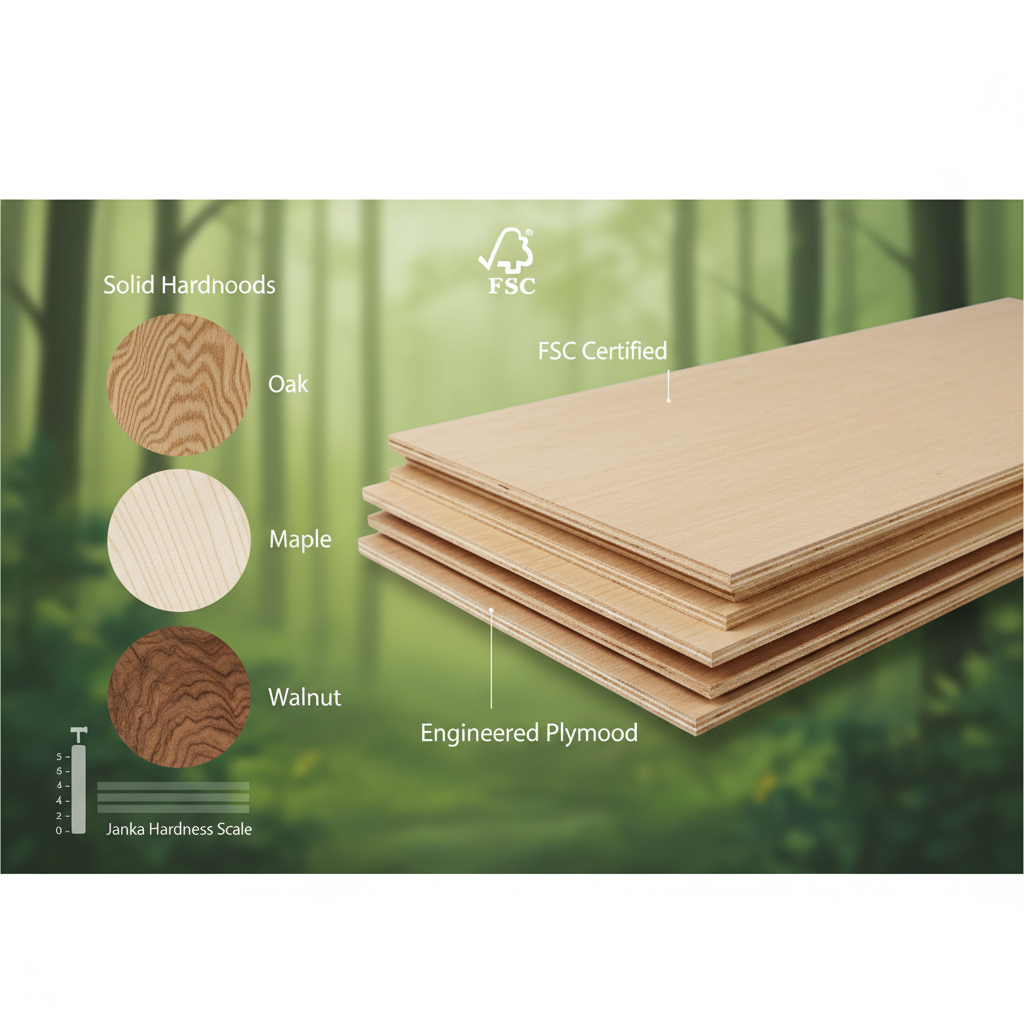
Understanding quality wood furniture requires a basic grasp of material science. Durability is not a guessing game; it is a measurable metric. The industry standard for measuring wood density and dent resistance is the Janka Hardness Scale, which assigns a numerical value to different wood species based on the force required to embed a steel ball into the wood [8].
However, durable wood products are not solely defined by hardness. Natural resistance to decay and rot is equally critical, especially in varying climates. As explained by the forestry and building materials experts at naturally:wood, certain species like Cedar and Teak are naturally durable due to their biological “extractives”—organic chemical compounds within the heartwood that naturally repel insects and resist fungal decay [9].
Solid Wood vs. High-Grade Engineered Plywood: The Structural Truth
A common misconception in the pursuit of high quality durable wood products is that “solid wood” is universally superior to engineered wood in every application. This is structurally false. While solid hardwoods are ideal for table legs, chair frames, and exposed surfaces, high-grade engineered plywood is often the superior choice for large, flat panels like cabinet backs or drawer bottoms.
Because solid wood breathes, a large, unrestrained panel of solid oak will inevitably warp, cup, or split as humidity changes. Premium plywood, however, is manufactured by gluing thin layers of wood veneer with the grain of each layer running perpendicular to the next. This cross-graining engineering principle neutralizes the wood’s natural tendency to move, creating immense shear strength and dimensional stability. When selecting these materials, it is also vital to look for sustainable certifications from organizations like the FSC (Forest Stewardship Council) to ensure your durable materials are ethically sourced [10].
The Integrity of Craft: Why Choose Bravewood Custom Furniture?
Knowing the science of materials and the physics of structure leads to one inevitable conclusion: true quality requires uncompromising artisanship. This is where Bravewood craftsmanship separates itself from the rest of the market. Bravewood does not merely manufacture products; they engineer functional art.
If you are wondering why choose Bravewood custom furniture, the answer lies in their absolute refusal to cut corners. Bravewood utilizes advanced, traditional joinery techniques—such as the mortise and tenon joint, long heralded by Fine Woodworking Magazine as the gold standard for bearing heavy loads and resisting shear forces [11]. By combining these time-tested techniques with rigorous quality control processes and premium, ethically sourced materials, Bravewood achieves the exceptional quality furniture standards typically reserved for historic, high-end luxury design houses profiled by Modern Loft Interiors [12].
Furniture Built to Last a Lifetime: The Generational Investment
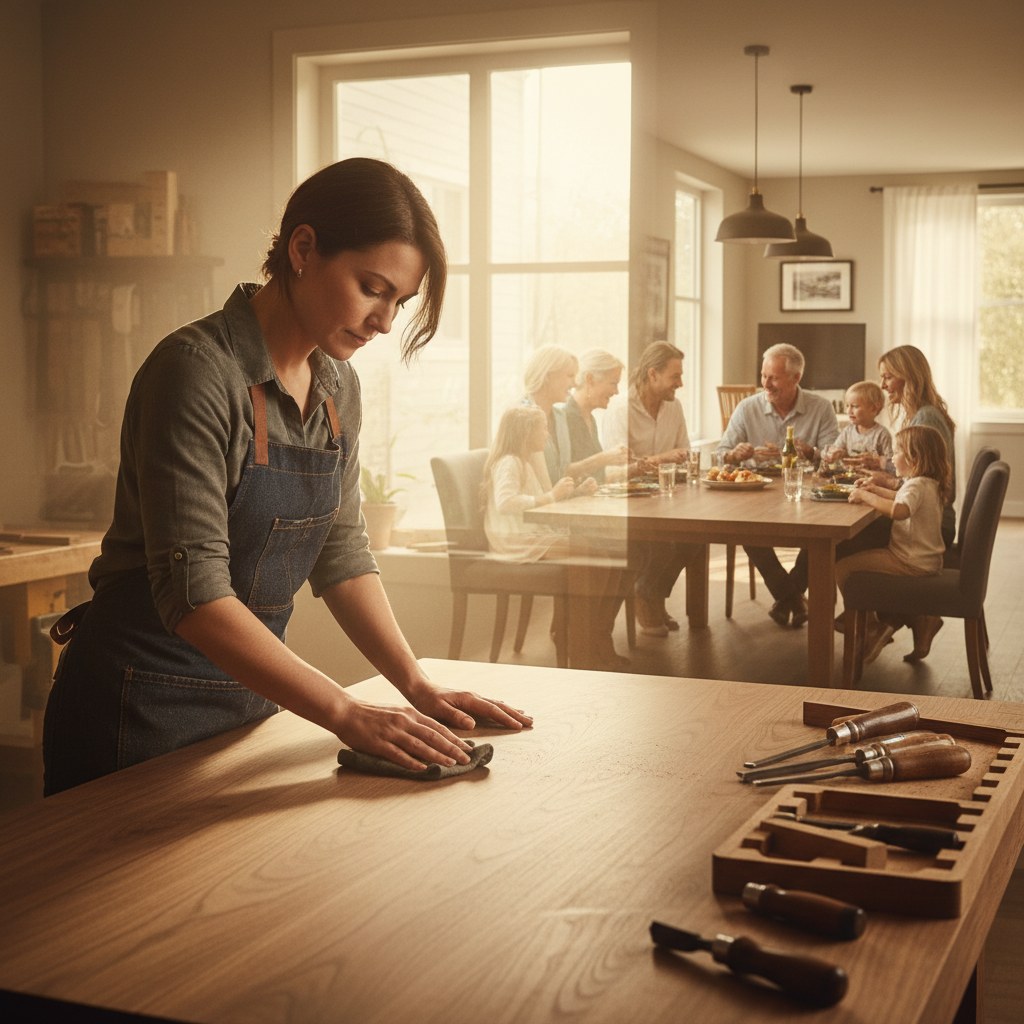
The physical durability of Bravewood pieces translates directly into profound emotional and sustainable value. Furniture built to last a lifetime becomes a generational investment, an heirloom that gathers family history rather than ending up in a landfill.
The markers of this “lifetime” construction are evident in every Bravewood piece: sturdy hardwood foundations, meticulously hand-rubbed finishes that protect and nourish the wood, and joints that grow stronger with age. This level of confidence in craftsmanship is why heirloom furniture is often backed by extraordinary guarantees, mirroring the 25-year or limited lifetime warranty standards seen in legacy brands like KING Living [13] and Daniels Amish [14]. When you invest in Bravewood, you are investing in a legacy.
Commissioning Your Heirloom: A Guide to Custom Furniture Builders
For many, the idea of hiring custom furniture builders feels intimidating. However, demystifying the custom building process reveals a highly rewarding, collaborative journey.
The primary difference between retail and custom lies in the cost breakdown. With mass-produced furniture, you are paying for marketing, shipping, and retail markups. With custom furniture, your budget goes directly toward premium raw materials and highly skilled labor. According to industry standards outlined by Custom Woodworking Business (CWB) Magazine, the cost of custom work reflects the meticulous hours required to mill, join, and finish wood by hand [15]. To ensure you are working with a true professional, look for indicators of vetted artisan skill, such as affiliations with the Guild of Master Craftsmen [16].
The Client-Builder Collaboration Checklist
Commissioning custom furniture builders is a partnership designed to solve your specific spatial and aesthetic needs. To ensure a seamless process, use this “What to Ask Your Builder” collaboration checklist:
- Request a Portfolio: Ask to see past projects, client briefs, and final installation photos. As noted by the Laura U Design Collective, a builder’s ability to seamlessly integrate custom pieces into complex, high-end interior spaces is a true test of their capability [17].
- Discuss the Environment: Explain where the piece will live. Will it be in direct sunlight? Near a heating vent? A skilled builder will select the wood species and finish accordingly.
- Review Sketches and Timelines: Ensure you have a clear understanding of the design revisions, the expected lead time (which can range from weeks to months), and the payment schedule.
Conclusion: Investing in the Expected, Delivered by Bravewood
The true value of furniture does not lie in a cheap upfront price tag; it is rooted in structural integrity, superior material science, and expert craftsmanship. The throwaway culture of fast furniture offers nothing but a continuous cycle of financial waste, environmental harm, and aesthetic disappointment.
By understanding the physics of joinery, the durability of properly sourced woods, and the meticulous care required to build something right, you can break free from this cycle. Bravewood craftsmanship provides the ultimate antidote to fast furniture, offering pieces that are as structurally sound as they are visually stunning.
Stop settling for furniture that fails. Contact Bravewood today to schedule a consultation and begin designing a custom, heirloom-quality piece that perfectly fits your space and will last a lifetime.
Please note: Custom furniture pricing and timelines vary by project scope.
References & Authoritative Sources
- Statista. (N.D.). Consumer spending data regarding the average household’s annual furniture expenditure. Retrieved from Statista consumer databases.
- Brightmark. (N.D.). Data on millions of tons of discarded furniture generated each year. Retrieved from Brightmark sustainability reports.
- Vermont Woods Studios. (N.D.). Advocacy for sustainable, non-toxic furniture manufacturing and the health risks of chemical flame retardants. Retrieved from Vermont Woods Studios.
- Arrow Furniture. (N.D.). Insights on furniture longevity, investment value, and staggering furniture purchases. Retrieved from Arrow Furniture.
- CratesGalore. (N.D.). The structural mechanics and physics of woodworking (compression, shear, tension/racking). Retrieved from CratesGalore.
- EverWoody. (N.D.). Furniture manufacturing quality control and common defects. Retrieved from EverWoody.
- Codri Modern Furniture. (N.D.). Identifying manufacturing red flags and cheap joinery. Retrieved from Codri Modern Furniture.
- Janka Hardness Scale. (N.D.). Standard industry measurement for wood density and durability.
- naturally:wood. (N.D.). The biological role of extractives in wood’s natural resistance to decay. Retrieved from naturally:wood.
- FSC (Forest Stewardship Council). (N.D.). Sustainable certifications for material sourcing credibility. Retrieved from FSC.
- Fine Woodworking Magazine. (N.D.). Authority on advanced joinery techniques including mortise and tenon. Retrieved from Fine Woodworking Magazine.
- Modern Loft Interiors. (N.D.). Modern luxury furniture brands and exceptional quality standards. Retrieved from Modern Loft Interiors.
- KING Living. (N.D.). Authority on durable steel-framed furniture and 25-year warranties. Retrieved from KING Living.
- Daniels Amish. (N.D.). Traditional, heirloom-quality hardwood construction and limited lifetime warranties. Retrieved from Daniels Amish.
- Custom Woodworking Business (CWB) Magazine. (N.D.). Industry standards for custom builders, material costs, and labor rates. Retrieved from CWB Magazine.
- Guild of Master Craftsmen. (N.D.). Indicator of vetted artisan skill and craftsmanship standards. Retrieved from Guild of Master Craftsmen.
- Laura U Design Collective. (N.D.). Integrating custom furniture into high-end interior design and solving spatial issues. Retrieved from Laura U Design Collective.
