
The kitchen is the undisputed heart of the home. It’s where meals are crafted, homework is finished, and memories are made. But let’s be honest: it’s also a disaster zone. From simmering pots that boil over to sippy cups that tumble and the inevitable dishwasher leak, the kitchen floor endures a daily onslaught of spills, splashes, and heavy foot traffic. For years, homeowners have faced a frustrating dilemma: choose a floor that’s beautiful but vulnerable, or one that’s durable but lacks style.
The good news? You no longer have to compromise. Modern flooring technology has revolutionized our options, giving rise to a new generation of stylish, spill-proof surfaces. But with this innovation comes a wave of confusing marketing terms and technical jargon. What’s the real difference between “waterproof” and “water-resistant”? Is hybrid hardwood a gimmick or a game-changer?
Welcome to your Ultimate Kitchen Flooring Playbook. This guide cuts through the noise. We’re going beyond simple “best of” lists to arm you with the essential knowledge to decode product specs, understand the science behind the surfaces, and make a confident, long-term investment in your home’s most demanding room.
- Why Your Kitchen Demands More From Its Floor
- Decoding Flooring Lingo: What Does “Waterproof” Really Mean?
- The 2024 Contenders: A Head-to-Head Comparison of Waterproof Kitchen Floors
- The Scorecard: Which Waterproof Floor Wins for Your Kitchen?
- Beyond the Box: Why Proper Installation is Your Floor’s Best Defense
- Living With Your New Floor: A Practical Guide to Care & Repair
- Frequently Asked Questions (FAQ)
- Your Kitchen, Your Choice, Your Confidence
- Authoritative Sources & References
Why Your Kitchen Demands More From Its Floor
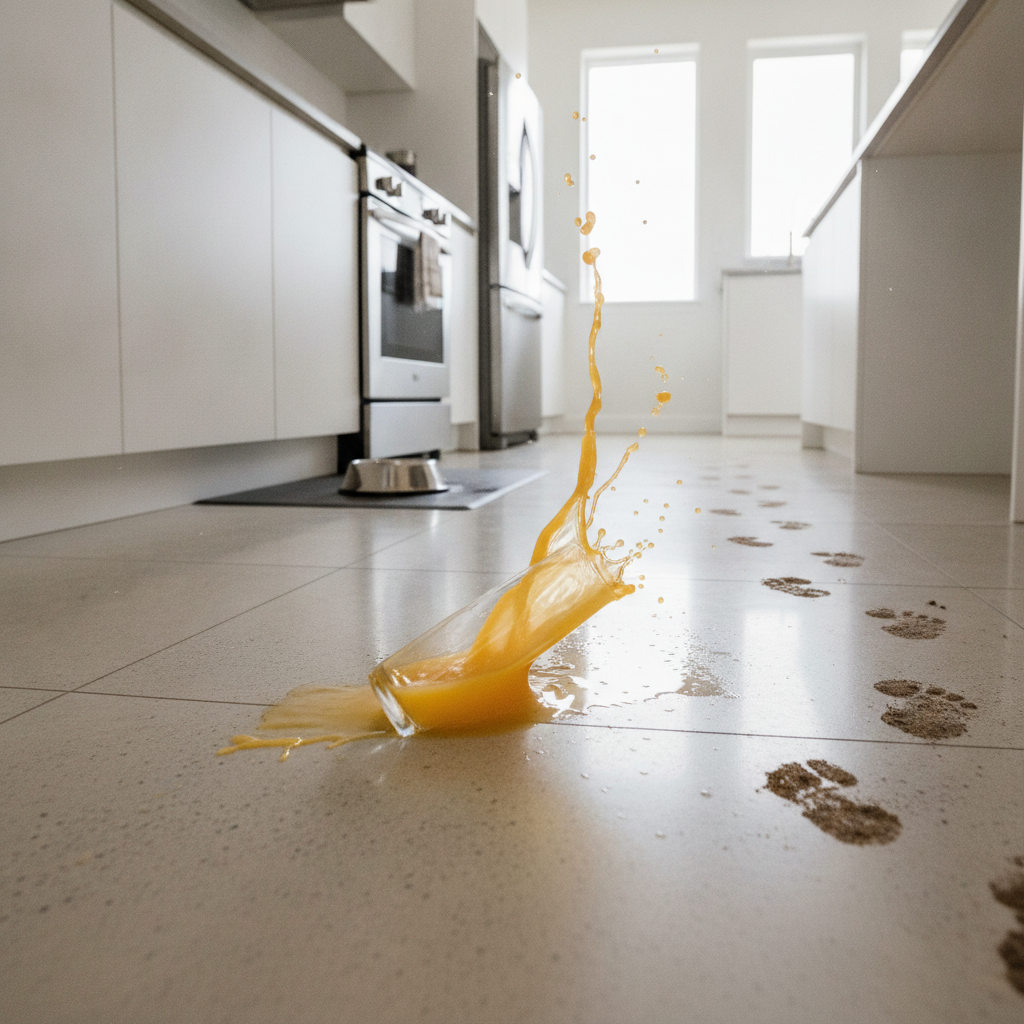
Before diving into the solutions, it’s crucial to understand the unique challenges your kitchen floor faces every day. It’s not just another room; it’s a high-performance workspace that requires an exceptionally resilient surface. The primary threats are water, wear, and weight.
Water Damage: The most significant risk in any kitchen is water. A dropped glass of water is one thing, but a slow leak from the ice maker, a faulty dishwasher hose, or a plumbing issue under the sink can introduce large amounts of moisture that seep into cracks and subfloors. This can lead to warped planks, delamination, and the growth of mold and mildew, which can begin to form within just 24-48 hours of a water incident1, 2. This is more than a cosmetic issue; it can become a serious health hazard and lead to costly structural repairs.
High Traffic and Abrasions: Think about the daily journey from the refrigerator to the stove to the sink. This “work triangle” sees more foot traffic than almost any other area in your home. Add in scraping chair legs, pet claws, and dropped utensils, and you have a recipe for scratches, scuffs, and premature wear. A floor designed for a bedroom simply won’t stand up to the constant friction of a busy kitchen.
Spills and Stains: From olive oil and red wine to coffee and tomato sauce, kitchen spills are inevitable and varied. A porous or poorly sealed floor can absorb these substances, leading to permanent stains that are impossible to remove. The ideal kitchen floor must have a non-porous surface that allows you to wipe away messes without a trace.
Safety First: Responding to Kitchen Water Incidents
If you experience a significant leak or flood in your kitchen, prioritize safety. According to principles from the Institute of Inspection, Cleaning and Restoration Certification (IICRC), you should immediately shut off the water source and turn off the circuit breakers for the affected area to eliminate electrical hazards1, 2. Remove as much standing water as possible and use fans to circulate air. For any incident involving more than a small area, it’s wise to call a professional water damage restoration service.
Decoding Flooring Lingo: What Does “Waterproof” Really Mean?
One of the biggest sources of confusion for consumers is the terminology used by manufacturers. Understanding these key distinctions is the first step to making an informed choice.
Water-Resistant vs. Waterproof:
- Water-Resistant: This term means the flooring can withstand topical moisture and spills for a limited time. The surface itself will repel water, but if liquid is left to sit for too long, it can eventually seep through the seams and into the core and subfloor. Many older laminates and engineered hardwoods fall into this category.
- Waterproof: This signifies a higher level of protection. A truly waterproof floor has a core material that is impervious to water. This means that even if water gets past the seams, the planks themselves will not swell, warp, or degrade.
It’s crucial to understand that most “waterproof” flooring offers top-down waterproof protection. This protects your subfloor from spills that originate on the surface. However, it does not protect against moisture coming from below (e.g., hydrostatic pressure in a concrete slab). A proper moisture barrier is still essential.
The Anatomy of a Modern Waterproof Plank
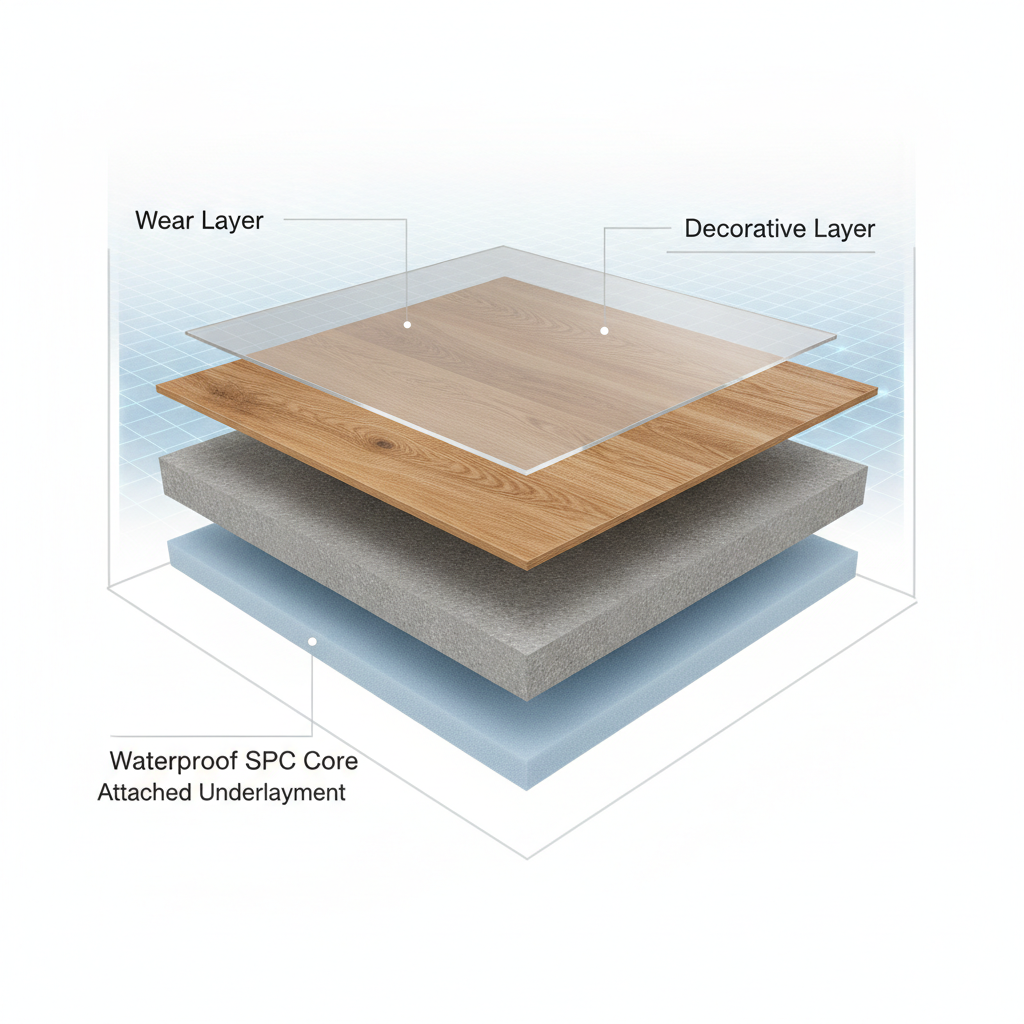
To understand how this technology works, it helps to visualize the layers of a typical waterproof plank, such as an SPC-core hybrid hardwood or luxury vinyl plank.
- Wear Layer: A tough, transparent top coating (usually urethane-based) that provides the primary defense against scratches, stains, and scuffs.
- Decorative Layer: This is the visual element. In LVP, it’s a high-definition photographic image of wood or stone. In hybrid hardwood, this is a thin veneer of real wood.
- Waterproof Core: This is the magic ingredient. Most modern waterproof floors use an SPC (Stone Plastic Composite) or WPC (Wood Plastic Composite) core. SPC is a dense, rigid core made from limestone powder and stabilizers, making it 100% waterproof and highly dent-resistant.
- Attached Underlayment: Many waterproof planks come with a pre-attached pad (often cork or foam) that provides sound absorption, cushioning, and minor subfloor imperfection correction.
The performance and durability of these floors are often verified through standardized testing methods, such as those published by ASTM International, which set benchmarks for water resistance and other key characteristics3.
The 2024 Contenders: A Head-to-Head Comparison of Waterproof Kitchen Floors
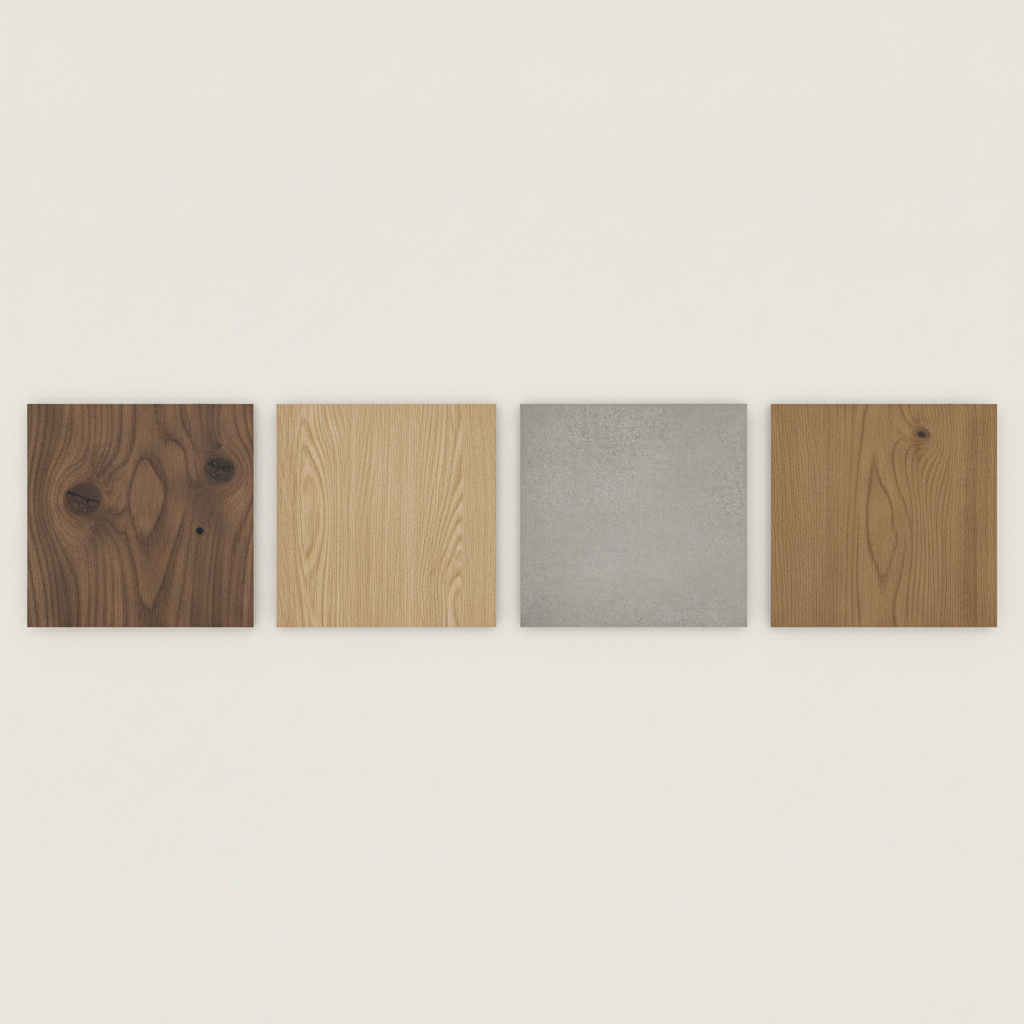
Now that you speak the language, let’s meet the top contenders for your kitchen. Each of these materials offers a robust waterproof solution, but they differ significantly in feel, durability, style, and cost. There is no single “best” option—only the best option for your specific needs and budget.
Hybrid Hardwood (e.g., Bravewood): The Beauty of Real Wood, The Brawn of a Waterproof Core
For those who refuse to sacrifice the authentic look and feel of real wood, hybrid hardwood is a revolutionary solution. It solves the age-old problem of wood’s vulnerability to water by combining a genuine wood top layer with a completely waterproof composite core.
- Construction: Hybrid hardwood features a real wood veneer, typically ranging from 0.6mm to 2mm thick, bonded to a 100% waterproof SPC core. This construction provides the organic beauty of wood with the structural stability and water-impermeability of luxury vinyl. Products like Bravewood, for example, often feature a 1.2mm genuine European Oak veneer and back their products with long-term warranties, such as a 50-year residential warranty.
- Pros:
- Authentic Look & Feel: It’s real wood on the surface—no printed patterns can perfectly replicate its natural grain and texture.
- Extremely Durable: The SPC core makes it far more dent-resistant than solid or engineered hardwood.
- 100% Waterproof: The core is impervious to water, making it safe for kitchens, bathrooms, and basements.
- Cons:
- Higher Cost: It is a premium product, often priced higher than LVP and laminate.
- Not Refinishable: The wood veneer is too thin to be sanded and refinished like traditional hardwood.
Best For: Homeowners who want the genuine beauty of hardwood in their kitchen without the constant worry of water damage. It’s a high-end solution that adds significant resale value. As one industry analyst noted in Floor Covering Weekly, the hybrid category is rapidly growing because it “solves the final pain point for consumers who love wood but are afraid to live on it”4.
Luxury Vinyl Plank (LVP): The Versatile & Budget-Friendly Champion
Luxury Vinyl Plank has exploded in popularity for good reason. It offers an incredible combination of performance, style, and value, making it one of the most practical choices for any kitchen.
- Construction: LVP is a multi-layered product featuring a high-definition photographic layer, a durable wear layer, and a waterproof core (either SPC or WPC). SPC is more rigid and dent-resistant, while WPC is slightly softer and quieter underfoot. The quality of LVP is largely determined by its wear layer thickness, measured in mils (1 mil = 1/1000th of an inch). For high-traffic kitchens, look for a wear layer of 20 mil or higher. The difference between a thin 6 mil layer and a robust 20 mil layer is the difference between a floor that scuffs in a year and one that looks great for a decade.
- Pros:
- Completely Waterproof: Both SPC and WPC cores are unaffected by water.
- Highly Durable: A thick wear layer provides excellent resistance to scratches and stains.
- Huge Style Variety: High-definition printing can realistically mimic any wood species, stone, or even abstract patterns.
- Budget-Friendly & DIY-Friendly: Generally more affordable than hybrid hardwood and tile, with click-lock systems perfect for DIY installation.
- Cons:
- Not Real Wood: While visuals are convincing, it lacks the authentic texture of real wood.
- Can be Punctured: Heavy, sharp objects (like a dropped knife) can potentially puncture the surface.
Best For: Virtually any kitchen. It’s the go-to choice for families with kids and pets, rental properties, and anyone seeking maximum performance on a reasonable budget. The Resilient Floor Covering Institute (RFCI) provides standards that ensure quality LVP products meet rigorous performance criteria5.
Porcelain Tile: The Indestructible Classic for Ultimate Peace of Mind
When it comes to sheer durability and water impermeability, nothing beats porcelain tile. It has been a kitchen staple for centuries and remains the top choice for those who want a floor that is virtually indestructible.
- Construction: Porcelain is a type of ceramic tile made from finer, denser clay fired at a higher temperature. This process makes it harder, less porous, and more durable than standard ceramic. Its durability is measured by a PEI rating from the Porcelain Enamel Institute, which grades tile on a scale of 1 to 5 based on its resistance to wear. For high-traffic kitchens, a rating of PEI 4 or PEI 5 is strongly recommended.
- Pros:
- Impervious to Water: According to the Tile Council of North America (TCNA), porcelain tile has a water absorption rate of less than 0.5%, making it the most waterproof flooring material available6.
- Unmatched Durability: It is incredibly resistant to scratches, dents, and stains. It will not be damaged by dropped pots or heavy appliances.
- Easy to Clean: The glazed surface is non-porous and simple to maintain.
- Cons:
- Hard & Cold Underfoot: Tile is unforgiving to stand on for long periods and can feel cold without radiant heating.
- Grout Maintenance: Grout lines can stain and collect grime, though using modern epoxy grout can significantly reduce this issue by providing a waterproof, stain-proof seal.
- Difficult Installation: Installation is labor-intensive and not typically a DIY project.
Best For: High-traffic kitchens where ultimate durability and waterproofing are the top priorities. It’s perfect for homeowners who want a “set it and forget it” floor that will last a lifetime.
Modern Waterproof Laminate: A High-Tech Comeback
Forget the bubbly, easily damaged laminate of the 1990s. Today’s waterproof laminate is a technologically advanced product that offers incredible scratch resistance and reliable water protection.
- Construction: Modern waterproof laminate uses a high-density fiberboard core, advanced locking systems, and wax-impregnated edges to prevent water from penetrating the seams. Its top layer is exceptionally tough, often providing superior scratch resistance compared to LVP. Many of today’s products, like those with Pergo’s WetProtect technology, offer guaranteed protection against standing water for 72 to 100 hours.
- Pros:
- Exceptional Scratch Resistance: Often considered the most scratch-proof option, making it ideal for homes with large dogs.
- Realistic Wood Looks: Embossed-in-register technology aligns the surface texture with the printed wood grain for a more authentic look.
- Affordable: Typically priced competitively with LVP.
- Cons:
- Water-Resistant Core: While highly protected, the core is still wood-based. In a major flood, it can still be damaged if water sits for an extended period beyond its warranty limit.
- Noisy: Can produce a “clicking” sound when walked on if not installed with a quality underlayment.
Best For: Households primarily concerned with scratches from pets and kids, who also want reliable protection from everyday spills.
The Scorecard: Which Waterproof Floor Wins for Your Kitchen?
To help you decide, here’s a quick-reference scorecard rating each material on the key attributes that matter most in a kitchen.
| Feature | Hybrid Hardwood | Luxury Vinyl Plank (LVP) | Porcelain Tile | Waterproof Laminate |
|---|---|---|---|---|
| Waterproofing | ★★★★★ | ★★★★★ | ★★★★★ | ★★★★☆ |
| Durability/Scratch | ★★★★☆ | ★★★★☆ | ★★★★★ | ★★★★★ |
| Comfort Underfoot | ★★★☆☆ | ★★★★☆ | ★☆☆☆☆ | ★★☆☆☆ |
| Style Options | ★★★☆☆ | ★★★★★ | ★★★★★ | ★★★★☆ |
| Average Cost | ★★★☆☆ | ★★★★☆ | ★★★☆☆ | ★★★★★ |
(Ratings are on a 1-5 scale, with 5 being the best. Cost is rated with 5 being most affordable.)
“Best For…” Summary:
- Hybrid Hardwood is Best For: The authentic beauty of real wood without the water anxiety.
- Luxury Vinyl Plank (LVP) is Best For: The best all-around balance of performance, style, and value.
- Porcelain Tile is Best For: Ultimate, lifetime durability and peace of mind in high-use kitchens.
- Waterproof Laminate is Best For: Maximum scratch resistance for homes with pets and active kids.
Beyond the Box: Why Proper Installation is Your Floor’s Best Defense
You can choose the most advanced waterproof flooring in the world, but it will fail if not installed correctly. The material itself is only one part of a complete waterproof system. The installation is what truly protects your home from water damage.
According to the Certified Flooring Installers Association (CFI), improper installation is the leading cause of flooring failure7. Here are the non-negotiable elements of a waterproof installation:
Essential Subfloor Prep Steps:
- Clean: The subfloor must be free of all debris, dust, and contaminants.
- Dry: Any moisture issues in the subfloor must be resolved before installation.
- Flat: This is critical. The subfloor must be flat to within 3/16 of an inch in a 10-foot radius. High or low spots can cause click-lock systems to fail, creating gaps where water can penetrate.
Always follow the manufacturer’s specific installation guide to the letter. This is not just a recommendation; it is required to keep your product warranty valid. For a floating floor like Bravewood hybrid hardwood, this means using the correct click-lock technique and leaving the required 1/4-inch to 3/8-inch expansion gap around the entire perimeter of the room. This gap allows the floor to expand and contract with temperature changes and is covered by baseboards and trim.
Living With Your New Floor: A Practical Guide to Care & Repair
Protecting your investment continues long after the installation is complete. Luckily, modern waterproof floors are designed for easy maintenance.
Spill Response Cheat Sheet
Fast action is key. By following guidelines from authorities like the National Wood Flooring Association (NWFA), you can handle most spills without issue8.
| Spill Type | Cleaning Action |
|---|---|
| Water, Juice, Soda | Blot immediately with a clean, dry cloth. If sticky, use a damp cloth with a pH-neutral floor cleaner. |
| Oil, Grease, Sauce | Wipe up the excess, then clean the area with a cloth and a manufacturer-approved cleaner designed to cut grease. |
| Wine, Coffee | Blot immediately. Use a damp cloth with a pH-neutral cleaner. Avoid letting dark liquids sit. |
Repairability:
One critical consideration is long-term repair. For LVP, laminate, and hybrid hardwood, a major benefit of the floating plank format is that a damaged plank can often be individually replaced by a professional. However, when it comes to surface damage on hybrid hardwood, it’s important to remember the thin veneer cannot be sanded and refinished. Minor scratches can sometimes be concealed with manufacturer-specific touch-up kits, but deep gouges are permanent.
What NOT to Do:
- Never use a steam mop. The combination of high heat and moisture can damage the finish and force water into the seams, potentially voiding your warranty.
- Avoid harsh chemicals. Cleaners containing ammonia, vinegar, or abrasive powders can dull or strip the floor’s protective wear layer over time.
- Don’t use wax or polish. These products are not needed and will create a hazy buildup that is difficult to remove.
Frequently Asked Questions (FAQ)
Can you refinish hybrid hardwood floors?
Generally, no. The real wood veneer is too thin (typically 0.6mm-2mm) for traditional sanding and refinishing. The process would sand right through the wood layer into the core below. Minor scratches may be repairable with manufacturer-specific touch-up kits, but the floor cannot be fully restored like solid hardwood.
How does waterproof hardwood compare to luxury vinyl plank (LVP)?
The key difference is the surface material. Waterproof (hybrid) hardwood offers an authentic wood surface you can see and feel, which often adds more resale value to a home. LVP is a highly realistic photographic image of wood printed on a vinyl layer. While LVP is typically more budget-friendly and offers a wider range of visual styles (including stone and abstract patterns), hybrid hardwood provides the genuine article with the same waterproof peace of mind.
What flooring is most comfortable to stand on for long periods?
For pure comfort, LVP with a WPC (Wood Plastic Composite) core is often considered the best choice. The foaming agent used in its core creates more cushioning, making it warmer and softer underfoot than rigid SPC core LVP or tile. Cork flooring is another excellent, though less common, choice known for its natural cushioning properties. Porcelain tile is by far the hardest and least comfortable option for long periods of standing.
Your Kitchen, Your Choice, Your Confidence
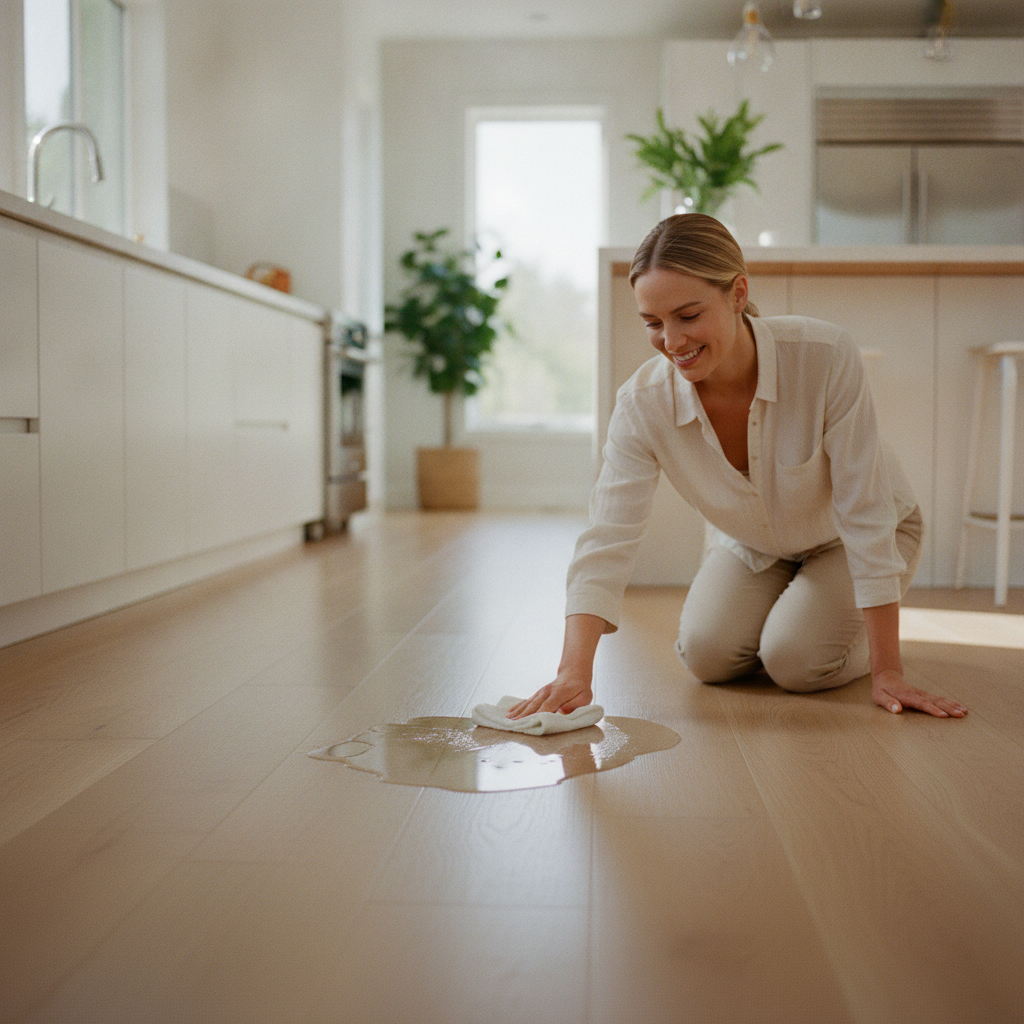
Choosing the right kitchen floor is a significant decision, but it doesn’t have to be overwhelming. The perfect floor is a balance of science, style, and your family’s unique needs. By moving beyond the marketing labels and understanding the technology that makes a floor truly life-proof—from SPC cores and 20 mil wear layers to PEI ratings and proper installation—you are now empowered. You have the knowledge to walk into a showroom, ask the right questions, and select a beautiful, durable floor that will serve as the foundation of your home’s heart for years to come.
Ready to start your project? Download our free ‘Kitchen Flooring Shopping Checklist’ to take with you to the showroom and ask all the right questions.
This article contains general advice. Flooring installation and performance can vary based on specific product, subfloor conditions, and installation quality. Always consult the manufacturer’s official guidelines and consider professional installation for best results.
Authoritative Sources & References
- Institute of Inspection, Cleaning and Restoration Certification. (n.d.). IICRC S500 Standard for Professional Water Damage Restoration. IICRC.
- Institute of Inspection, Cleaning and Restoration Certification. (n.d.). IICRC Resources for Consumers. Retrieved from the official IICRC website.
- ASTM International. (n.d.). ASTM D7032 – 17 Standard Specification for Establishing Performance Ratings for Wood-Plastic Composite and Plastic Lumber Deck Boards, Stair Treads, Guards, and Handrails. Retrieved from the official ASTM International website.
- Floor Covering Weekly. (n.d.).
- Resilient Floor Covering Institute. (n.d.). Official Standards and Resources. Retrieved from the official RFCI website.
- Tile Council of North America. (n.d.). TCNA Handbook for Ceramic, Glass, and Stone Tile Installation. TCNA.
- Certified Flooring Installers Association. (n.d.). Installation Standards and Best Practices. Retrieved from the official CFI website.
- National Wood Flooring Association. (n.d.). Official Maintenance Guidelines for Wood Floors. Retrieved from the official NWFA website.
