
Choosing a new floor can feel like a high-stakes decision. It’s a significant investment, and the fear of making a costly mistake—selecting a style that quickly dates itself or a material that can’t handle the realities of your life—is real. For years, homeowners have been forced to choose between the timeless beauty of real hardwood and the practical durability of waterproof alternatives. But what if you didn’t have to compromise?
This is where waterproof hybrid hardwood flooring enters the conversation, and it’s changing the game for modern homes. We’re going beyond the showroom samples and marketing claims to decode the science behind the style. This guide will empower you to choose a floor that not only looks stunning but actively solves real-life problems like spills, pet messes, and daily wear and tear. We’ll explore the core technology that makes this flooring possible, dive into the top design trends for 2024, and give you a practical framework for making the perfect, worry-free choice for your home.
- What is Hybrid Hardwood Flooring? The Best of Both Worlds
- 2024’s Top Trends: Modern Waterproof Hybrid Hardwood Styles
- Solving Life’s Messes: Why Hybrid Hardwood is a Problem-Solver
- How to Choose the Right Hybrid Hardwood for Your Home
- Frequently Asked Questions (FAQ)
- The Confident Choice for a Modern Home
- References & Authoritative Sources
What is Hybrid Hardwood Flooring? The Best of Both Worlds
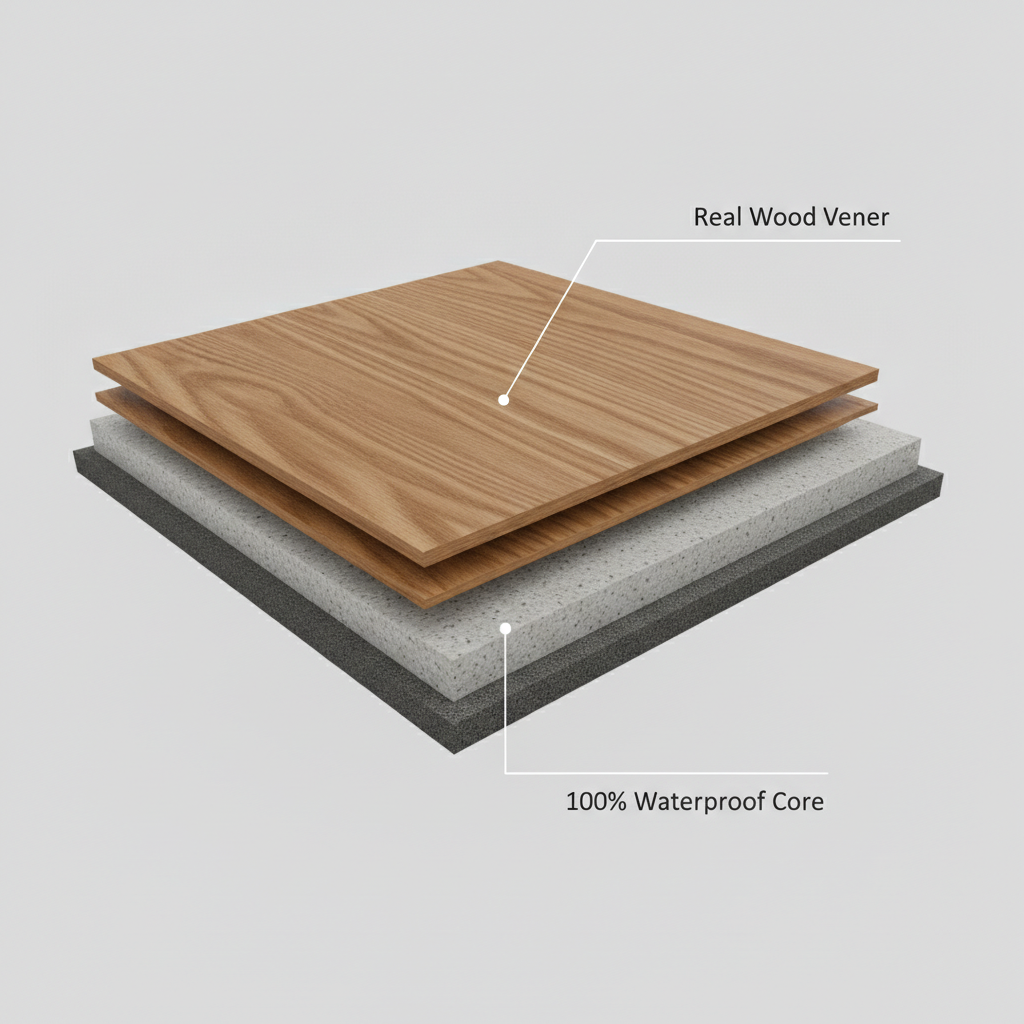
To understand the appeal of hybrid hardwood, you first need to understand what it is. At its core, hybrid hardwood flooring is an innovative product that combines the best attributes of multiple flooring types into one superior plank. It is not a synthetic look-alike; it features a genuine layer of real wood on top. However, its construction beneath that wood veneer is what makes it a revolutionary choice for modern living.
Unlike solid hardwood, which is a single piece of wood from top to bottom, or traditional engineered hardwood, which uses a plywood core, hybrid hardwood is built on a high-tech, waterproof composite core. This structure gives it the authentic look and feel of wood with the resilience of luxury vinyl.
To clarify the differences, here is a simple comparison:
| Feature | Solid Hardwood | Traditional Engineered Hardwood | Waterproof Hybrid Hardwood |
|---|---|---|---|
| Water Resistance | Poor – Prone to warping | Fair – Can handle minor moisture | Excellent – 100% waterproof plank |
| Durability | Good – Scratches/dents vary by species | Good – Varies by wear layer | Excellent – High scratch resistance |
| Cost (Installed) | $8 – $20 / sq. ft. | $6 – $15 / sq. ft. | $5 – $12 / sq. ft. |
| Repairability | Can be sanded/refinished multiple times | Can be refinished 1-2 times (veneer dependent) | Cannot be sanded/refinished |
| Installation Areas | Above grade only; not for wet areas | Most areas; not ideal for full bathrooms | Any room, including basements & bathrooms |
The Core Technology: How Hybrid Hardwood Achieves 100% Waterproofing
The magic behind hybrid hardwood’s performance lies in its core. The term “100% waterproof” isn’t just marketing; it refers to the plank itself being inert to water. This is achieved by using one of two types of composite cores, a technology whose rise has been noted by industry publications like Floor Covering Weekly [2].
- SPC (Stone Plastic Composite): This core is made from a mixture of natural limestone powder, polyvinyl chloride, and stabilizers. The result is an incredibly dense, rigid, and stable plank that is impervious to water. Its high density also gives it superior resistance to dents from dropped objects.
- WPC (Wood Plastic Composite): This core incorporates wood pulp or plasticizers into the composite, which makes the plank slightly softer and warmer underfoot than SPC. While still 100% waterproof, it is generally less dense than its stone-based counterpart.
It’s not just the core material that provides protection. The integrity of the entire floor as a system relies on advanced locking mechanisms. These tight, precision-milled joints, often based on patented systems like Uniclic, click together to form a water-tight seal on the surface, preventing spills from seeping between the planks and reaching the subfloor.
2024’s Top Trends: Modern Waterproof Hybrid Hardwood Styles
With the technology understood, the fun begins. Hybrid hardwood isn’t just a practical choice; it’s at the forefront of modern interior design. It allows homeowners to embrace the most current aesthetic trends without the traditional anxieties associated with wood flooring. According to leading design publications like Architectural Digest, the overarching movement is toward authentic, natural, and texturally rich surfaces [3].
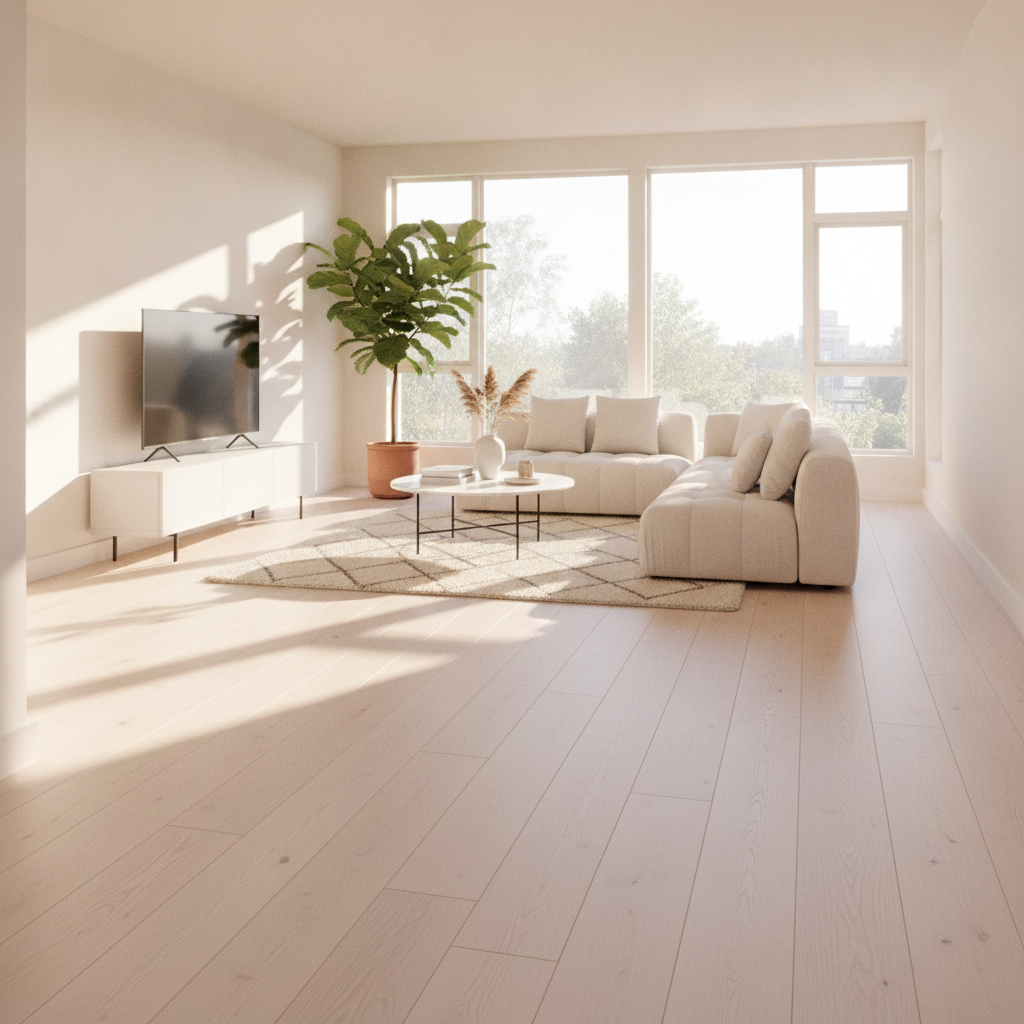
Trend 1: Wide Planks for an Open, Minimalist Feel
The trend toward wide planks is more than a fleeting fashion; it’s a fundamental shift in how we perceive space. Planks that are 7 inches or wider now make up over 60% of new hardwood and LVP sales, and for good reason. In a modern or minimalist home, fewer seams create a cleaner, less busy visual field. This aligns with architectural principles of minimalism, which favor uninterrupted surfaces to enhance a sense of calm and expansiveness [4]. The wider format makes any room feel larger and more open, a powerful tool in home design.
Trend 2: The Return to Naturals – Light Woods & Earth Tones
For years, cool grays and dark, dramatic stains dominated flooring trends. Today, the pendulum has swung decisively back toward warmth and authenticity. Data shows that natural and light wood tones have surpassed dark and grey tones in popularity for the first time in a decade. This shift connects to broader design movements like biophilic design (our innate desire to connect with nature) and Scandinavian influence. Think of light white oaks, warm maples, and natural hickories. This move toward earthy palettes is validated by trend authorities like the Pantone Color Institute and the American Society of Interior Designers (ASID), which have noted a collective desire for comforting, nature-inspired interiors [5].
Trend 3: Matte & Low-Sheen Finishes for Durability and Authenticity
Perhaps the most significant trend is the move away from glossy, reflective floors. Matte and low-sheen finishes are now preferred in over 75% of new installations. This trend is a perfect marriage of style and substance. Aesthetically, a matte finish allows the natural grain and texture of the wood to be the star, providing a more organic and authentic look. Practically, it’s a game-changer for maintenance. As any flooring contractor will tell you, a low-sheen finish is far more forgiving; it diffuses light, making it exceptionally good at hiding minor scratches, dust, and footprints compared to a high-gloss surface that highlights every imperfection.
Trend 4: Pattern Play – Modern Herringbone & Chevron
Classic patterns are back, but with a modern twist. Herringbone and chevron layouts, once reserved for grand, traditional estates, are now being used to add a touch of bespoke luxury to contemporary spaces. The availability of these patterns in durable, waterproof hybrid hardwood makes them more accessible than ever. Far from being dated, these geometric patterns create movement and visual interest, acting as a stunning focal point in a room. Real estate agents note that unique features like a well-executed herringbone floor can significantly elevate buyer perception and add a ‘wow’ factor that boosts a home’s appeal, a sentiment often echoed at industry trade shows like The International Surface Event (TISE) [6].
Solving Life’s Messes: Why Hybrid Hardwood is a Problem-Solver
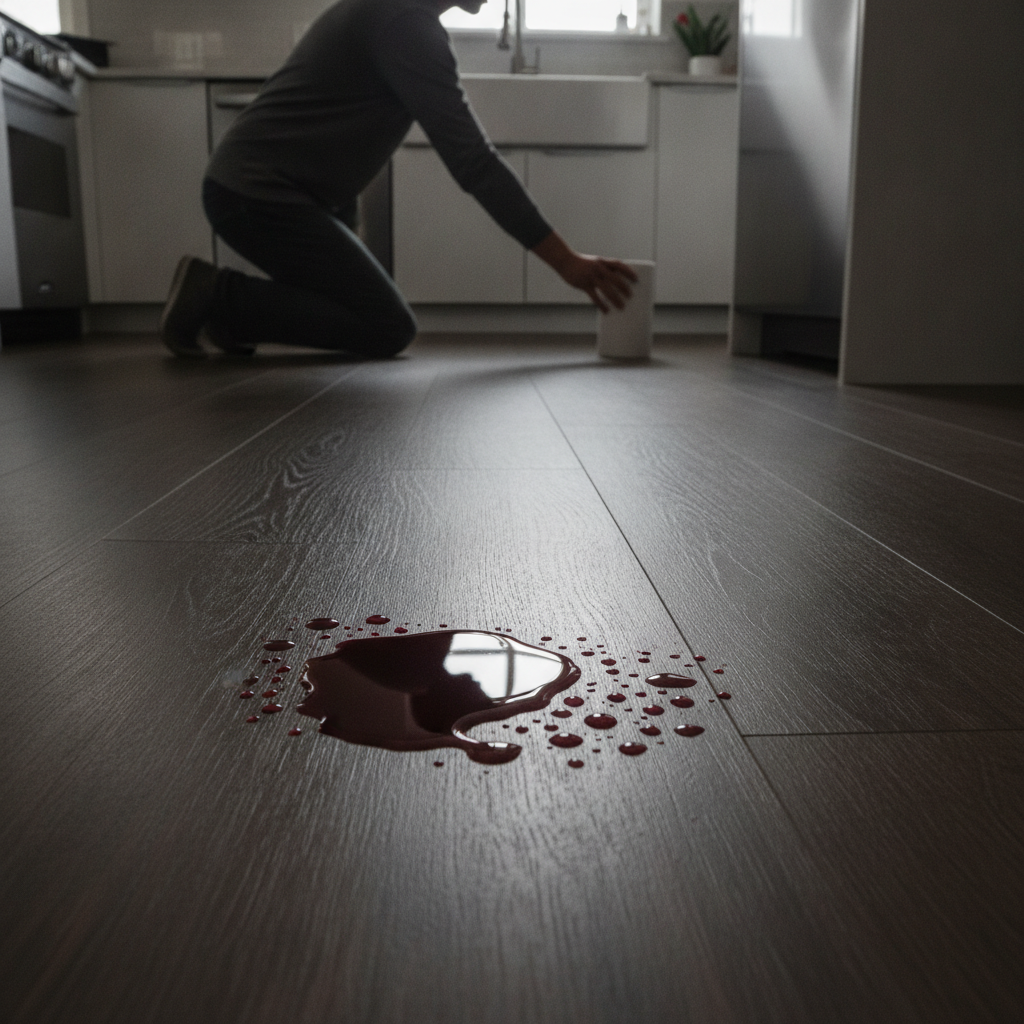
A beautiful floor is only a great floor if it works for your life. This is where hybrid hardwood truly shines, offering elegant solutions to the most common and frustrating household problems. By understanding the science behind the style, you can appreciate how it’s engineered for real-world durability.
| Style / Finish Trend | Durability Score (1-10) | Key Performance Benefit |
|---|---|---|
| Wide Planks | 9 | Fewer seams reduce potential points of failure or moisture ingress. |
| Natural/Light Tones | 8 | Variegated grain patterns naturally camouflage dust and minor scratches. |
| Matte/Low-Sheen | 10 | Diffuses light, making micro-scratches and smudges nearly invisible. |
| Herringbone Pattern | 9 | The pattern itself can help disguise wear in high-traffic areas. |
Unmatched Scratch Resistance for Pets and Kids
For households with pets and children, floor durability is non-negotiable. Hybrid hardwood addresses this head-on. While the real wood veneer has a natural hardness (measured by the Janka Hardness Scale [13]), the primary defense against scratches comes from the factory-applied top wear layer. This transparent coating is incredibly tough and is typically fortified with aluminum oxide, one of the hardest compounds available. This provides robust protection against the claws, paws, and dropped toys that are part of a busy home. It’s important to distinguish this from dent resistance; a heavy object can still dent the wood veneer, but the surface will resist scratching. This focus on durable, safe flooring aligns with recommendations from organizations like the American Kennel Club (AKC), which emphasize the need for materials that can withstand pet activity [7].
The Ultimate Low-Maintenance Floor for Busy Families
One of the biggest advantages of hybrid hardwood is its incredibly simple maintenance routine. Forget sanding, refinishing, waxing, or special polishing. The waterproof core and durable wear layer create a sealed surface that is easy to clean.
A typical cleaning routine involves:
- Sweeping or vacuuming (using a hard floor setting) to remove loose debris.
- Damp-mopping with a pH-neutral cleaner specifically formulated for modern floors.
That’s it. Professional cleaners often note the significant time saved with these floors compared to the upkeep required for traditional hardwood. This simple care regimen is endorsed by leading cleaning product manufacturers like Bona, whose guidelines for sealed-surface floors emphasize gentle, effective cleaning without harsh chemicals [8].
How to Choose the Right Hybrid Hardwood for Your Home
Feeling confident about the technology and inspired by the trends, the final step is selecting the perfect floor for your unique space. This involves matching the style to your decor, understanding where it can be installed, and decoding the technical specifications on the product sample.
Matching Style to Your Home’s Decor
Choosing a floor color and style can be daunting, but a few simple principles can guide you. An interior designer might suggest considering the “rule of thirds” for your color palette: 60% a dominant color (walls), 30% a secondary color (furniture), and 10% an accent color. Your floor can fit into the dominant or secondary role.
- Consider Existing Tones: Look at your kitchen cabinets, wood furniture, and trim. You can either choose a floor that harmonizes with these tones or one that provides a deliberate, pleasing contrast.
- Factor in Light: In a room with abundant natural light, you have the freedom to choose almost any color. In a darker space, a lighter floor can work wonders. Research shows that light-colored flooring can make a room feel up to 25% larger and brighter.
- Think About Resale Value: Updated flooring is a major selling point. A recent “Remodeling Impact Report” from the National Association of Realtors (NAR) found that new wood flooring can provide a return on investment of over 100%, highlighting its powerful appeal to homebuyers [9].
Best Rooms for Installation: Kitchens, Bathrooms, and Basements
One of the most liberating features of waterproof hybrid hardwood is its versatility. Because the planks are 100% waterproof, they can be installed in places where traditional wood flooring is a major risk.
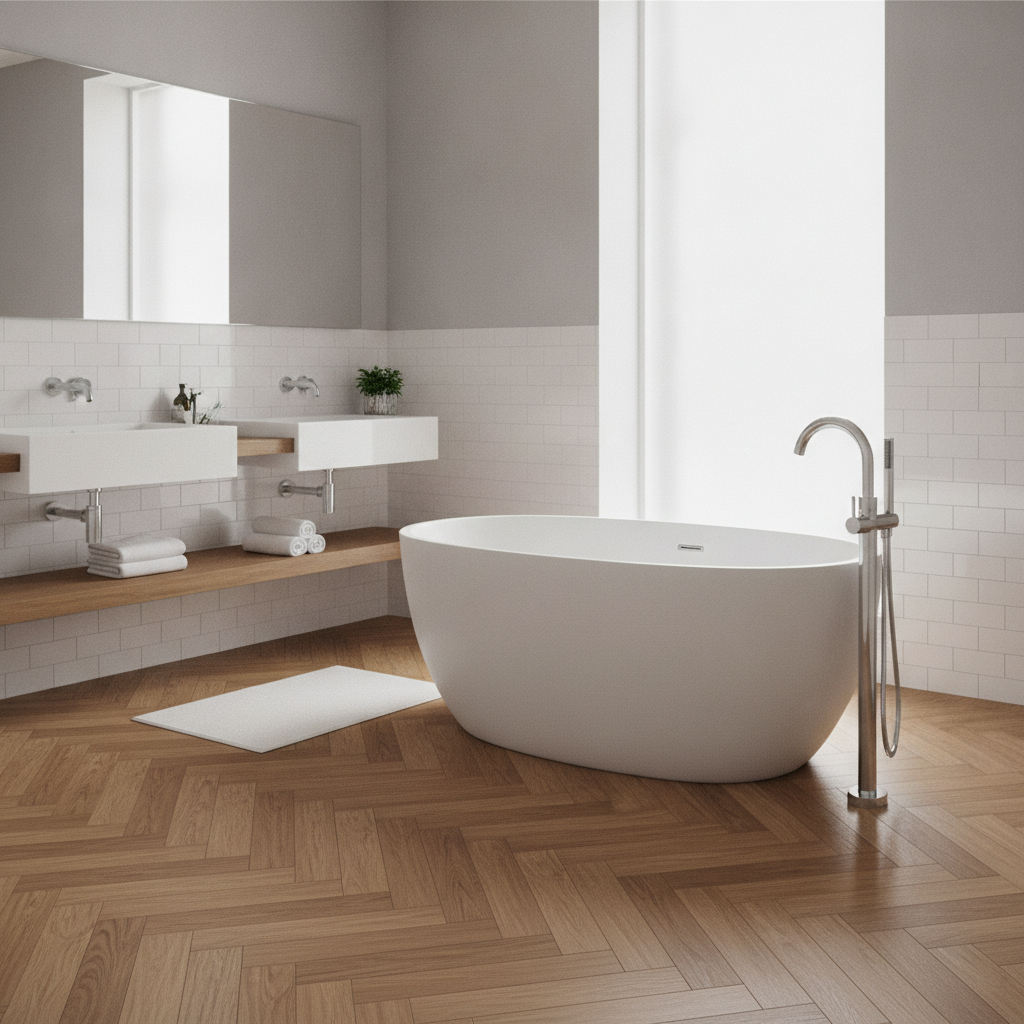
- Kitchens: This is the ideal environment for hybrid hardwood, offering the warmth of wood with complete protection from spills and splashes.
- Bathrooms: It can be used in bathrooms, even full baths with showers, provided the perimeter is properly sealed and installation guidelines are followed.
- Basements: As a below-grade space prone to moisture, basements are perfect candidates. Hybrid hardwood can be installed directly over concrete slabs, transforming a damp-feeling space into a warm, inviting living area.
According to the National Wood Flooring Association (NWFA), proper subfloor preparation is critical in any installation, but especially in these moisture-prone areas [1]. An IICRC-certified water damage expert would confirm that choosing a waterproof material from the start is the best preventative measure against costly future repairs [10]. This choice also aligns with standards in the International Building Code (IBC) which dictates material requirements for wet areas [11].
Decoding the Specs: Veneer Thickness, Core Type, and Certifications
When you’re in the showroom, turn the sample over. The technical specifications tell an important story.
- Veneer Thickness: The top layer of real wood typically ranges from 0.6mm to 4mm. A thicker veneer may offer a more substantial wood feel, but it does not change the floor’s waterproof or scratch-resistant properties, which come from the core and wear layer.
- Core Type (SPC vs. WPC): As discussed, SPC is denser and more dent-resistant, while WPC is slightly softer underfoot. The choice between them is often a matter of personal preference and budget.
- Certifications: Look for the FloorScore® Certification logo [12]. This is a critical E-E-A-T signal, indicating that the product has been independently tested and meets strict indoor air quality standards, ensuring it contributes to a healthy home environment for your family.
Frequently Asked Questions (FAQ)
What are the pros and cons of hybrid hardwood?
- Pros: 100% waterproof planks, highly resistant to scratches and dents, authentic real wood look and feel, easy to clean and maintain, can be installed in any room.
- Cons: Cannot be sanded and refinished like solid hardwood, can be more expensive than LVP, the wood veneer can still be dented by very heavy impacts.
Is hybrid hardwood flooring expensive?
The cost typically ranges from $5 to $12 per square foot, installed. This places it in a competitive middle ground—generally more affordable than high-end solid hardwood but more expensive than most luxury vinyl plank (LVP) options.
How is hybrid hardwood different from luxury vinyl plank (LVP)?
The key difference is the top layer. Hybrid hardwood has a thin layer of real, authentic wood. LVP has a high-definition photographic image of wood protected by a wear layer. While premium LVP looks very realistic, hybrid hardwood offers the genuine texture, grain, and character that only real wood can provide.
Can you refinish hybrid hardwood floors?
Generally, no. The wood veneer layer is too thin to be sanded down without exposing the composite core beneath. According to NWFA guidelines, a wood surface typically needs to be at least 2-3mm thick to be safely refinished [1]. This is the primary trade-off for gaining waterproof performance.
The Confident Choice for a Modern Home
Waterproof hybrid hardwood represents a true evolution in flooring. It closes the gap between the dream of having beautiful wood floors throughout your home and the reality of a life filled with kids, pets, and the occasional spilled drink. It offers a powerful combination of authentic style and cutting-edge scientific innovation, solving the most common flooring problems that cause homeowners stress.
By understanding the technology in the core, the trends in the finish, and the specs on the label, you are no longer just a shopper; you are an informed homeowner ready to make a confident, long-term investment. You can now choose a floor that not only reflects your modern aesthetic but is engineered to handle whatever life throws at it.
Feeling inspired? Download our free ‘Flooring Choice Checklist’ to take with you to the showroom, or browse our gallery of modern homes featuring waterproof hybrid hardwood.
This article may contain affiliate links. All product recommendations are based on independent research. For installation and technical advice, always consult a certified flooring professional.
References & Authoritative Sources
- National Wood Flooring Association (NWFA). The NWFA provides industry standards and technical guidelines for the installation, sanding, and finishing of wood flooring products.
- Floor Covering Weekly / Floor Trends Magazine. As leading trade publications, these sources provide authoritative analysis on flooring industry news, market data, and technological trends, such as the growth of composite core flooring.
- Architectural Digest / Elle Decor. These premier interior design publications are trendsetters and authoritative sources for identifying and validating modern aesthetic movements in home design.
- The American Institute of Architects (AIA). The AIA is a professional organization for architects in the United States. Its publications and design awards are cited for authoritative context on architectural principles like minimalism.
- American Society of Interior Designers (ASID). The ASID is a leading professional organization for interior designers. Its annual Trends Report is a highly authoritative source for forecasting design movements and color palettes.
- The International Surface Event (TISE). As one of the largest flooring industry trade shows in North America, TISE is a primary source for identifying and confirming new product trends and technologies.
- American Kennel Club (AKC). As a leading authority on dog health and behavior, the AKC provides credible recommendations for creating safe and suitable home environments for pets, including advice on flooring.
- Bona / Zep. As major manufacturers of cleaning products, their research-based recommendations provide authoritative guidelines for the proper care and maintenance of specific flooring types, including sealed-surface floors.
- National Association of Realtors (NAR). The NAR’s annual “Remodeling Impact Report” is an authoritative source providing data on the return on investment (ROI) and buyer appeal of various home improvement projects, including flooring updates.
- Institute of Inspection, Cleaning and Restoration Certification (IICRC). The IICRC sets the standards for the restoration industry. Its S500 standard is the key authoritative document for water damage restoration, making IICRC-certified professionals experts on moisture-related issues.
- International Code Council (ICC). The ICC develops the International Building Code (IBC), which provides minimum standards for building safety and materials, including requirements for materials used in potentially wet areas like bathrooms.
- SCS Global Services. This organization provides third-party environmental and sustainability certification. Their FloorScore® program is the recognized industry standard for certifying low-VOC flooring, making it an authority on indoor air quality.
- Janka Hardness Scale. The Janka rating is the industry-standard scientific measurement for determining the resistance of a species of wood to denting and wear, providing objective data on wood durability.